You Won’t Believe What This Iconic French Landmark Hides in Its Walls
Imagine biting into a warm, flaky pastry while standing beneath a centuries-old bell tower, the scent of lavender drifting through sunlit stone arches. That’s Provence for you—where every landmark isn’t just a sight, but a sensory story. I never expected history and flavor to blend so perfectly until I wandered through its sun-drenched villages and tasted food that felt deeply rooted in place. This is more than travel—it’s living heritage on a plate. In Provence, architecture does not merely shelter people; it shelters tradition, memory, and taste. The region’s iconic structures—bell towers, market halls, châteaux, and cloisters—are not relics behind glass. They are active participants in daily life, especially when it comes to food. These walls don’t just stand the test of time—they serve it, season after season, at long wooden tables beneath ancient rafters.
The Heartbeat of Provence: Where Food Meets History
Provence is a region where the built environment and the plate speak the same language. Sunlight, limestone, and centuries of Mediterranean living have shaped not only the pastel-colored houses with terracotta roofs but also the ingredients that define its cuisine. The same climate that bakes the stone walls golden by midday ripens tomatoes until they burst with sweetness, cures olives until they are rich and briny, and infuses herbs like thyme, rosemary, and savory with intense fragrance. This is no coincidence—architecture and agriculture evolved together, responding to the same environmental rhythms. Thick stone walls were built to insulate homes from summer heat, just as food preservation techniques like sun-drying tomatoes or curing fish were developed to sustain families through leaner months.
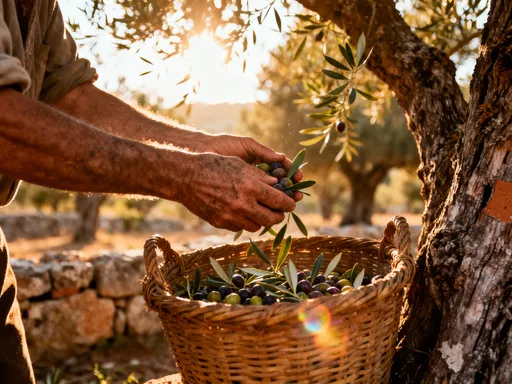
Consider ratatouille, the emblematic vegetable stew of the region. More than a dish, it is a reflection of Provence’s agricultural calendar and its communal way of life. Each ingredient—zucchini, eggplant, bell peppers, onions, garlic—was once grown in kitchen gardens tucked behind village homes, often enclosed by the same stone walls that sheltered families for generations. The slow simmering of these vegetables in olive oil mirrors the slow pace of life in the countryside, where meals are not rushed but allowed to unfold like the landscape itself—layered, textured, and deeply rooted. Tapenade, another regional staple made from olives, capers, and anchovies, carries a similar story. Its origins lie in the need to preserve the olive harvest, one of Provence’s most enduring agricultural traditions, often centered around ancient mills still visible in hillside ruins.
The village squares, often anchored by a church or a fountain, were not just social hubs but culinary ones too. Farmers brought produce to be weighed and traded under arcades built in the 16th or 17th century, many of which still stand today. These spaces were designed with function in mind—high ceilings for airflow, stone counters for display, shaded walkways to protect vendors from the sun. The architecture supported the food economy, and in turn, the food gave meaning to the space. Even the layout of Provençal homes reflects this harmony: kitchens were often positioned to catch morning light, with large windows facing south to illuminate countertops where dough was rolled and herbs were sorted. In Provence, to understand the food is to understand the walls that have contained it for centuries.
A Taste of Time: Inside the Historic Markets of Aix-en-Provence
No visit to Provence feels complete without stepping into one of its legendary markets, and few are as iconic as the Marché des Producteurs de Pays in Aix-en-Provence. Housed beneath the graceful 17th-century arcades of the Place Richelme and spilling into the nearby Cours Mirabeau, this market is a living bridge between past and present. Locals in linen shirts and woven bags move steadily from stall to stall, inspecting bunches of purple basil, golden figs, and wheels of goat cheese dusted with ash. The scent of fresh thyme mingles with the tang of sea salt from dried anchovies laid out on wooden planks. Above, the vaulted stone ceilings, built when Louis XIV ruled France, filter the sunlight into soft, dappled patterns on the cobblestones below.
These market halls were never just places to buy food. Originally designed as civic spaces, they hosted town meetings, legal proceedings, and even religious gatherings. Over time, their function evolved, but their importance remained. The thick stone walls that once echoed with political debate now amplify the hum of friendly bargaining and the clink of copper pots. The columns that supported the weight of civic life now hold up canvas awnings shading baskets of sun-warmed peaches and jars of wildflower honey. In this way, the architecture itself becomes a participant in the ritual of food—preserving not just the goods on display but the customs that surround them.
What makes these markets truly special is their authenticity. Unlike tourist-centric bazaars, Aix’s market is first and foremost for locals. Vendors are often the farmers themselves, many from multi-generational families who tend small plots in the surrounding hills. A woman in a wide-brimmed hat might hand you a slice of melon to taste, explaining how her grandfather planted the first vines on her land. A cheesemaker from the Luberon region displays tomme de chèvre wrapped in chestnut leaves, a method unchanged for over a century. These interactions are not performances—they are daily acts of cultural transmission, made possible by the enduring presence of historic spaces that invite lingering, conversation, and connection.
For the traveler, visiting such a market is not merely a shopping experience but a form of immersion. It offers a chance to witness how tradition is not preserved in museums but lived in arcades built centuries ago. The rhythm of the market—opening at dawn, winding down by early afternoon—follows the natural pace of the region, where meals are timed with the sun and freshness is non-negotiable. To eat from this market is to eat with the land and its history, to taste something that cannot be replicated in a modern supermarket under fluorescent lights.
Dining Beneath the Bell Tower: The Role of Church Cloisters and Courtyards
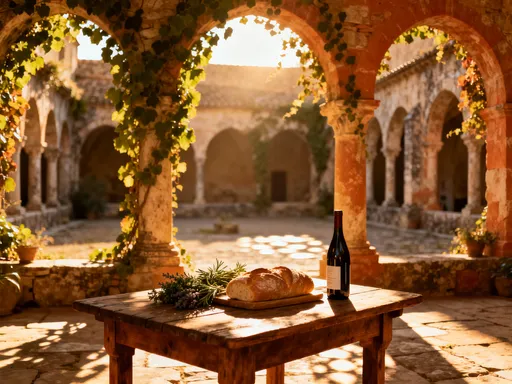
One of the most magical experiences in Provence is dining in a space that was once sacred. Across the region, former monasteries, convents, and church cloisters have been thoughtfully repurposed into restaurants, cafés, and wine bars. These are not conversions that erase history; rather, they honor it, allowing visitors to savor a meal within walls that once echoed with Gregorian chants and contemplative silence. In Arles, for example, a former Benedictine cloister now hosts a Michelin-recommended bistro where guests dine beneath honey-colored arches, their tables nestled among olive trees that have stood in the courtyard for over a hundred years.
The transformation of these spaces is both practical and poetic. The thick stone walls, originally built for insulation and solitude, now provide a cool, tranquil retreat from the summer heat. The open courtyards, once used for meditation and prayer, have become al fresco dining areas where the clink of glasses replaces the chime of bells—but the sense of peace remains. Waiters move quietly between tables, and conversation flows in hushed tones, as if the space itself encourages reverence. A glass of local rosé, pale as sunrise, tastes different here—not just because of its quality, but because of the atmosphere. The wine, made from grapes grown in nearby vineyards, feels like a continuation of the land’s spiritual and agricultural legacy.
These dining experiences are not limited to high-end establishments. In smaller villages, a former chapel might now serve as a community restaurant during festivals, offering simple dishes like daube (a Provençal beef stew) or grilled sardines on baguettes. The altar space becomes a serving counter; the pews are replaced with wooden benches. Yet even in these modest adaptations, there is a sense of continuity. The architecture tells a story of adaptation and resilience—of spaces that have shifted function but retained their soul. For diners, this creates a rare kind of intimacy, a feeling of being part of something larger than a meal.
What makes these venues particularly meaningful for travelers is their ability to offer both beauty and authenticity. Unlike theme-park recreations, these spaces have not been staged for effect. The cracks in the stone, the uneven floor tiles, the ivy creeping through iron grilles—all speak of real time passing. To eat here is to participate in a quiet act of cultural preservation, where the past is not frozen but invited into the present. It’s a reminder that heritage is not always about monuments behind ropes, but about spaces that continue to serve, evolve, and nourish.
Fortresses of Flavor: Châteaux and Their Culinary Legacies
Perched on hilltops across Provence, the region’s châteaux are more than romantic ruins or wedding venues. Many were originally agricultural strongholds, designed to protect not only families but also the resources that sustained them—vineyards, olive groves, and herb gardens. Even today, these estates remain centers of food production, their centuries-old cellars still humming with the scent of aging wine and pressed olives. The walls that once defended against invaders now shelter some of the region’s most prized culinary traditions.
Take the Château de la Mascaronne near Lorgues, for instance. This 18th-century estate, surrounded by terraced vineyards and fragrant rosemary bushes, operates as a working winery and olive oil producer. Visitors can tour the original stone mill where olives were crushed by granite wheels, now replaced by modern equipment that still follows traditional methods. The estate’s rosé, made from Cinsault, Grenache, and Syrah grapes, is aged in oak barrels stored in a cellar dug deep into the hillside—its cool, constant temperature preserved by the thick limestone walls. To taste the wine here is to taste the land, the climate, and the craftsmanship passed down through generations.
Other châteaux have embraced agritourism, offering immersive experiences that connect guests with the source of their food. At Domaine de la Croix in the Alpilles, visitors can walk through organic lavender fields, learn about natural beekeeping, and enjoy a lunch prepared with ingredients harvested that morning. The dining hall, once a storage barn, now features long communal tables where strangers become friends over shared platters of grilled vegetables, tapenade, and slow-roasted lamb. These experiences are not staged performances but genuine invitations into the rhythm of rural life.
The preservation of these estates is not just about aesthetics; it’s about sustainability. By continuing to cultivate the land and produce food, these châteaux help maintain biodiversity, protect heirloom varieties, and support local economies. They also serve as educational spaces, where children and adults alike can learn about seasonal eating, traditional farming methods, and the importance of terroir—the idea that flavor is shaped by place. In this way, the château becomes more than a landmark; it becomes a guardian of knowledge, a fortress not just of stone, but of flavor.
Village Ovens and Stone Squares: Community Kitchens of the Past
In the heart of many Provençal villages, tucked between the church and the town hall, one can still find the remains of a communal bread oven—often marked by a round stone dome and a heavy wooden door. These ovens, known as “fours à pain,” were once the center of village life. Built in the 18th or 19th century, they were shared by families who did not have ovens in their homes. Every week, usually on Fridays, women would bring their dough—made from locally milled flour, wild yeast, and spring water—to be baked in the communal space. The oven would be fired up early in the morning, its interior heated with olive wood until the stones glowed red.
These baking days were more than just culinary events—they were social gatherings. While the bread baked, neighbors would exchange news, share recipes, and pass down tips for making the perfect crust. Children played nearby, and elders offered advice on everything from herb gardening to marriage. The oven, located in the central square, was a democratic space—accessible to all, regardless of wealth. Its location was intentional: at the heart of the village, both physically and symbolically. The bread that emerged—crusty on the outside, soft and fragrant within—was a shared product, a symbol of unity and interdependence.
Today, many villages have revived this tradition, hosting monthly or seasonal communal baking days that draw both residents and visitors. In Gordes, a picturesque hilltop town, the local heritage association organizes “Journée du Four,” where volunteers prepare dough using ancient recipes and fire the oven using traditional methods. Tourists are welcome to observe, participate, and, of course, taste. These events are not nostalgic reenactments but living traditions, kept alive by a deep respect for craftsmanship and community.
The preservation of these ovens is also an act of architectural conservation. Many have been restored using original techniques and materials, ensuring that the structures remain authentic. In some cases, the ovens have been incorporated into cultural centers or open-air museums, where interpretive signs explain their historical significance. But the most powerful preservation happens not through plaques or brochures, but through use. When the oven is lit and the scent of baking bread fills the square, history is not remembered—it is relived.
Modern Bites in Ancient Spaces: How Chefs Are Reviving Tradition
A new generation of Provençal chefs is redefining regional cuisine—not by abandoning tradition, but by deepening it. These culinary artists work in historic buildings, drawing inspiration from the past while embracing modern techniques and global awareness. Their kitchens might be housed in a 17th-century townhouse in Avignon, a converted silk mill in Tarascon, or beneath Roman-era arches in Nîmes. What unites them is a commitment to authenticity, seasonality, and place.
One such chef is Clément Roussel, who runs a small restaurant in the old quarter of Aix-en-Provence. His dining room is set in a former notary’s office, with exposed beams, stone walls, and a vaulted ceiling that amplifies the soft clatter of cutlery. His menu changes weekly, sometimes daily, based on what he finds at the morning market. A recent dish featured grilled sardines with lemon confit and a salad of wild greens foraged from the nearby hills—simple, vibrant, and deeply rooted in the region’s coastal traditions. Dessert might be a lavender-infused crème brûlée, its fragrance echoing the fields that surround the city.
These chefs are not just cooks; they are cultural stewards. They collaborate with local farmers, beekeepers, and cheesemakers, ensuring that their ingredients are not only fresh but also ethically and sustainably produced. They honor ancestral methods—slow fermentation, wood-fired cooking, natural preservation—while refining presentation and technique. The result is a cuisine that feels both familiar and surprising, like a beloved story told in a new voice.
By choosing to cook in historic spaces, these chefs also contribute to architectural preservation. Renting and restoring old buildings keeps them from falling into disrepair. Their restaurants become destinations not just for food lovers but for those interested in history, design, and community. In this way, dining out becomes an act of cultural support—every meal a small investment in the survival of both culinary and architectural heritage.
Traveler’s Guide: How to Experience Food and Landmarks Like a Local
To truly experience Provence, one must slow down. The region rewards the mindful traveler—the one who arrives early at the market, who lingers over lunch, who wanders without a strict itinerary. Begin with the markets: visit Aix-en-Provence on a Tuesday, Thursday, or Saturday morning, when the Place Richelme is at its liveliest. Bring a reusable bag and a curious palate. Sample before you buy, and don’t be afraid to ask vendors about their products. Most speak some English and are proud to share their knowledge.
For meals in historic settings, seek out restaurants located in restored buildings rather than modern constructions. Look for mentions of “ancien cloître,” “dans un hôtel particulier,” or “sous les voûtes médiévales” in descriptions. Book in advance, especially in summer, as these spaces are often small and intimate. When dining, take time to observe the architecture—the texture of the stone, the pattern of the tiles, the play of light through ancient windows. These details are part of the experience.
Walking is the best way to connect landmarks with food. Create a self-guided tour: start at a village square, visit the church and communal oven, then stop at a café for a coffee and a slice of tarte aux figues. In larger towns like Arles or Avignon, follow heritage trails that link historic sites with local eateries. Always respect cultural spaces—speak quietly in repurposed religious buildings, avoid touching fragile surfaces, and support businesses that prioritize authenticity over spectacle.
Finally, consider visiting in the shoulder seasons—April to early June, or September to October. The weather is mild, the crowds thinner, and the produce at its peak. During these months, many villages host food festivals celebrating olives, honey, truffles, or wine. These events offer a rare glimpse into local life, where tradition is not performed but lived. By choosing to travel this way—slowly, respectfully, and with appetite—you do more than see Provence. You taste it, feel it, and become part of its continuing story.
In Provence, every stone has a story—and every meal tells it. From market arcades to monastery gardens, the region’s landmarks aren’t frozen in time; they’re alive with flavor, community, and continuity. To eat here is to step into history, not as a spectator, but as part of the story. So next time you wander through an old square, pause. Listen. Taste. You’re not just touring France—you’re tasting its soul.