Lost in the Magic of Interlaken’s Hidden Theme Realms
Nestled between two glittering lakes and surrounded by snow-capped peaks, Interlaken, Switzerland, is more than just a postcard. It’s a living storybook where alpine charm meets immersive adventure. From fairy-tale villages to adrenaline-fueled valleys, each themed zone offers a unique escape. You’re not just visiting—you’re stepping into carefully crafted worlds that blend nature, culture, and thrill. This is travel at its most transformative, where every path leads not only through mountain air and forest trails but into deeper connection—with place, with tradition, and with the quiet joy of discovery. Interlaken does not simply host travelers; it invites them to become part of its enduring alpine story.
The Heartbeat of the Alps: Discovering Interlaken’s Geographic Soul
Interlaken lies cradled in one of Europe’s most dramatic natural settings, positioned precisely between Lake Thun to the west and Lake Brienz to the east. This narrow corridor, threaded by the Aare River, serves as both a geographic crossroads and a scenic masterpiece. Towering above the town are the legendary peaks of the Eiger, Mönch, and Jungfrau—monuments of ice and stone that have drawn explorers, artists, and dreamers for centuries. The town’s name itself, meaning “between lakes,” reflects its intimate relationship with water and mountain alike, a duality that shapes every aspect of life and travel here.
As the gateway to the Jungfrau Region, a designated UNESCO World Heritage site, Interlaken holds a privileged position in the heart of the Swiss Alps. This recognition is not merely symbolic; it underscores the area’s exceptional geological history, glacial formations, and rich biodiversity. The high-altitude meadows burst with wildflowers in summer, while forests of spruce and larch provide shelter to wildlife such as ibex, marmots, and golden eagles. These natural assets are not just backdrops—they are active participants in the visitor experience, offering immersive encounters that go beyond sightseeing to foster genuine appreciation.
The town’s central location makes it an ideal base for exploring a diverse range of themed environments, from serene alpine valleys to high-thrill adventure zones. Whether you seek the quiet of a sunlit meadow or the rush of a mountain descent, Interlaken provides seamless access. The well-connected public transport system—featuring trains, buses, and boats—ensures that even remote corners of the region remain within reach. This accessibility, combined with a deep respect for natural preservation, allows travelers to move fluidly between experiences without compromising the integrity of the landscape.
Climate plays a vital role in shaping the rhythm of life in Interlaken. The alpine environment brings distinct seasons, each offering its own palette of activities and moods. Winters transform the region into a pristine snowscape, perfect for skiing, snowshoeing, and cozy evenings by the fire. Summers invite outdoor exploration—hiking, boating, and open-air festivals thrive under long, golden days. Spring and autumn, often overlooked, present their own quiet magic: blooming alpine flora in May, or mist-wreathed forests in October. This seasonal cadence ensures that no two visits are ever the same, reinforcing Interlaken’s reputation as a destination of enduring depth and variety.
Jungfraujoch: The Top of Europe as an Immersive Experience
Rising to 3,454 meters above sea level, Jungfraujoch—dubbed the “Top of Europe”—is not just a destination but a journey into the soul of the Alps. The ascent begins in Kleine Scheidegg, continuing aboard the Jungfrau Railway, a feat of early 20th-century engineering that tunnels directly through the Eiger and Mönch. Over the course of 50 minutes, passengers climb nearly 1,400 vertical meters, passing windows carved into the mountain that offer fleeting glimpses of icy crevasses and snowfields. This deliberate pacing transforms the ride into a narrative—a slow unveiling of alpine grandeur that builds anticipation with every turn.
Upon arrival, visitors step into a world of ice and light. The Jungfraujoch complex is designed to immerse guests in the essence of high-altitude life. The Snow Fun Park invites play in a sub-zero environment, where ice sculptures shimmer under artificial lighting and children slide down snow chutes with laughter echoing off frozen walls. Nearby, the Ice Palace—a labyrinth of carved tunnels and glittering chambers—feels like stepping into a crystalline dream. Each sculpture, shaped by local artisans, reflects elements of Alpine folklore and natural forms, from mountain goats to snowflakes, reinforcing cultural ties even at this extreme elevation.
One of the most profound experiences at Jungfraujoch is the view from the Sphinx Observatory, accessible via a short elevator ride to 3,571 meters. Here, behind reinforced glass, panoramic vistas unfold in every direction: glaciers stretch like frozen rivers, peaks pierce the sky, and on clear days, the curvature of the Earth is said to be visible. The silence is nearly absolute—only the faint creak of shifting ice breaks the stillness. This moment of awe is not accidental; it is curated. Interpretive panels explain the geology of the Aletsch Glacier, the largest in the Alps, and the long-term impacts of climate change, grounding emotional response in scientific understanding.
What sets Jungfraujoch apart is its balance of spectacle and substance. It is not merely a tourist attraction but an educational and sensory journey. Interactive exhibits detail the history of Alpine exploration, the challenges of high-altitude construction, and the fragile ecosystem that exists above the tree line. Families, couples, and solo travelers alike find themselves drawn into stories of perseverance and discovery. By blending entertainment with environmental awareness, Jungfraujoch creates a powerful sense of connection—between people and place, past and present, wonder and responsibility.
The Lauterbrunnen Valley: A Hidden World of Waterfalls and Tradition
A mere 15-minute train ride from Interlaken, the Lauterbrunnen Valley unfolds like a scene from a forgotten fable. Carved by ancient glaciers, this U-shaped valley drops 300 meters from rim to floor, its sheer limestone cliffs adorned with 72 waterfalls—some permanent, others appearing only after heavy rain. The most famous, Staubbach Falls, plummets 297 meters in a delicate silver thread, often catching rainbows in its mist. Poets like Goethe and Wordsworth were inspired by this valley, and it’s easy to see why: the air hums with the sound of falling water, and the scent of damp earth and pine fills every breath.
Lauterbrunnen is a masterclass in thematic travel, where nature and tradition intertwine to create a sense of timelessness. Wooden chalets with flower-filled balconies line the valley floor, their roofs weighted with stones to withstand winter snows. Cows graze in green pastures, their bells ringing softly in the distance—a sound so iconic it has become synonymous with Swiss rural life. The absence of cars in villages like Mürren and Wengen enhances the feeling of stepping into another era. Here, life moves at the pace of the seasons, not the clock.
For hikers, the valley offers trails for all levels, each designed to deepen immersion in the landscape. The path to Trümmelbach Falls is particularly remarkable—not only because of the five thunderous waterfalls visible from the trail, but because the final three are enclosed within the mountain itself. Accessed via a series of tunnels and elevators, these internal cascades are powered by glacial meltwater from the Lauterbrunnen Glacier, carving through rock over millennia. The experience is both exhilarating and humbling, a reminder of nature’s slow, persistent power.
Cultural continuity is evident in daily life. Local inns serve hearty dishes like rösti and cheese soup, made with ingredients sourced from nearby farms. Seasonal festivals, such as the Almabtrieb in autumn, celebrate the return of cattle from high pastures, complete with decorated horns and communal feasting. These traditions are not performed for tourists; they are lived. Visitors are welcomed as guests, not spectators, fostering a sense of belonging. In Lauterbrunnen, travel becomes an act of quiet reverence—a chance to slow down, listen, and remember the beauty of simplicity.
Höheweg Street: Where Adventure Meets Alpenglow Charm
At the heart of Interlaken lies Höheweg, a grand promenade that functions as both a thoroughfare and a thematic bridge between nature and urban life. Stretching nearly two kilometers from east to west, it connects the town’s two train stations—Interlaken Ost and Interlaken West—while offering uninterrupted views of the surrounding mountains. Lined with chestnut trees, boutique shops, historic hotels, and inviting cafés, Höheweg is more than a street; it is a curated experience of alpine elegance and modern convenience.
By day, the avenue pulses with energy. Travelers stop at outdoor adventure outfitters to book paragliding sessions, canyon tours, or hot air balloon rides. Display boards show real-time weather conditions and flight availability, emphasizing the region’s commitment to safety and planning. Local artisans sell hand-carved wooden cuckoo clocks, embroidered linen, and jars of wildflower honey, offering tangible pieces of Swiss craftsmanship. The scent of fresh bread and roasting coffee drifts from sidewalk cafés, where guests sip Swiss hot chocolate topped with whipped cream or enjoy a slice of creamy Engadine nut tart.
As evening approaches, Höheweg transforms. The setting sun bathes the Eiger in golden light—a phenomenon known as Alpenglow—casting a warm hue over the entire town. Benches fill with visitors pausing to take photographs or simply absorb the moment. Street musicians play gentle melodies on accordion or violin, their music blending with the rustle of leaves and distant chimes of cowbells. This daily spectacle is free, accessible, and deeply moving—a reminder that some of the greatest joys in travel require no ticket, only presence.
Höheweg also serves as a cultural connector. Throughout the year, it hosts small festivals, farmers’ markets, and seasonal events, from Christmas markets with hand-blown glass ornaments to spring flower fairs showcasing regional blooms. These gatherings foster community and invite visitor participation. Whether sampling a piece of warm raclette cheese at a fall festival or watching children dance during a summer solstice celebration, guests become part of the town’s living rhythm. Höheweg, in essence, is where the practical and the poetic meet—where one can gear up for adventure and then unwind with a view that feels like a gift.
Adventure Zones: Paragliding, Canyoning, and the Spirit of Thrill
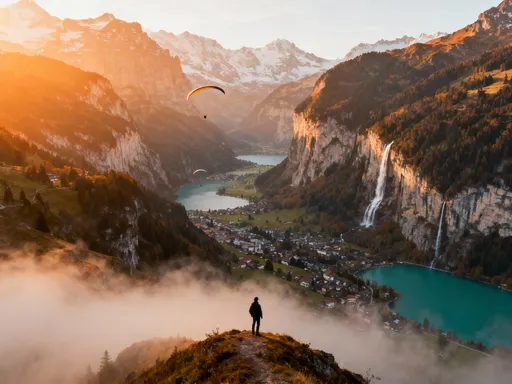
Interlaken’s reputation as a global adventure capital is well earned. Nestled within a natural amphitheater of lakes, rivers, and mountains, the region offers an unparalleled range of outdoor activities, each designed to deliver not just excitement but meaning. Paragliding, perhaps the most iconic, begins with a short hike to launch points in Beatenberg or Schynige Platte. As pilots and tandem passengers run into the wind, the ground falls away, and suddenly, flight is real. For several minutes—or up to 30 on ideal days—travelers soar like birds, gliding over emerald forests, winding rivers, and the twin lakes that give Interlaken its name.
This experience transcends adrenaline. It offers perspective—literally and emotionally. From above, the patchwork of fields, villages, and trails reveals the intricate relationship between human settlement and natural landscape. Guides often point out landmarks during the descent: the silhouette of the Jungfrau, the winding path of the Lütschine River, the tiny dot of a hiker on a distant ridge. These moments of connection make the thrill more than fleeting; they become memories etched in both mind and heart.
Canyoning presents a different kind of immersion. Participants, equipped with helmets, wetsuits, and harnesses, descend into narrow gorges carved by rushing water. The activity combines climbing, sliding down natural rock chutes, and jumping into deep pools—some over ten meters high. Locations like the Saxeten Gorge or the nearby Simmental Valley provide safe yet challenging environments, all under the supervision of certified guides. These professionals emphasize not only safety protocols but also environmental respect, teaching participants to move through fragile ecosystems with care.
What unites these adventures is their narrative structure. Each begins with preparation—learning equipment use, understanding risks, and building trust with guides. The middle phase is the challenge itself: the leap into the void, the first plunge into cold water, the moment of doubt before commitment. The resolution comes in triumph and reflection—dry clothes, warm drinks, and shared stories around a table. This arc mirrors classic storytelling, making the experience deeply satisfying on a psychological level. Adventure, in Interlaken, is not random; it is crafted, meaningful, and accessible to those who seek it with respect.
Cultural Pockets: Tradition, Music, and Local Craftsmanship
Beyond the peaks and thrills, Interlaken nurtures quieter, enduring forms of cultural expression. These are not confined to museums or stages but woven into the fabric of daily life. Local markets, held weekly in the town square or during seasonal festivals, offer a direct connection to regional heritage. Vendors sell hand-milked cheeses—such as creamy Gruyère and nutty Berner Alpkäse—alongside baskets of wild berries, jars of herbal syrups, and skeins of wool spun from local sheep. These goods are more than souvenirs; they represent centuries of agricultural tradition adapted to modern life.
Music, too, plays a vital role. On summer evenings, alpine horns echo across the valley, their deep, resonant tones carrying for miles. These ancient instruments, once used for communication between villages, now accompany folk performances featuring fiddles, flutes, and accordion. Dancers in traditional dress—women in embroidered bodices, men in knee-length breeches and felt hats—perform regional steps passed down through generations. These events are not staged for tourists alone; they are community celebrations, often followed by shared meals and storytelling.
The Alpine Museum in Interlaken provides deeper insight into mountain life. Exhibits cover everything from historic climbing expeditions to the evolution of dairy farming in the high pastures. One display details the construction of the Jungfrau Railway, highlighting the labor and sacrifice of the workers who tunneled through rock over a century ago. Another explores the spiritual relationship between locals and the mountains—how peaks were once seen as both majestic and dangerous, deserving of respect. These narratives ground the region’s identity in resilience, ingenuity, and humility.
For visitors, opportunities to participate abound. Cheese-making workshops allow guests to stir curds in copper vats and press fresh wheels under guidance from master cheesemakers. Craft demonstrations teach wood carving, embroidery, or bread baking using traditional methods. These hands-on experiences foster appreciation far beyond observation. They create what anthropologists call “embodied knowledge”—understanding gained through doing. In these moments, travelers are not passive consumers but active participants in cultural continuity.
Sustainable Immersion: Traveling with Respect and Awareness
As global interest in alpine destinations grows, so does the responsibility to protect them. Interlaken has embraced sustainability not as a trend but as a core value. The region’s public transport network—centered on electric trains, hybrid buses, and boat services—minimizes carbon emissions while maximizing access. Many hotels and guesthouses hold environmental certifications, using solar heating, water-saving systems, and locally sourced materials. Even adventure operators follow strict guidelines, ensuring that paragliding launch sites and canyon routes do not degrade sensitive terrain.
Trail maintenance is taken seriously. The Swiss maintain one of the most extensive and well-marked hiking networks in the world, with paths designed to prevent erosion and protect plant life. Signage encourages visitors to stay on designated routes, avoid picking flowers, and keep noise levels low in wildlife areas. These small acts of care accumulate into significant impact. By choosing to walk rather than drive, to eat at family-run inns rather than chain restaurants, travelers contribute to a cycle of stewardship that benefits both people and place.
Education is key to this approach. Visitor centers and tour guides emphasize the fragility of alpine ecosystems—how a single footprint on moss can take decades to heal, or how warmer temperatures are causing glaciers to retreat at an accelerating rate. Rather than inducing guilt, these messages inspire action. Many guests leave not only with photographs but with new habits: carrying reusable water bottles, supporting local artisans, and planning future trips with lower environmental footprints.
Sustainability in Interlaken is not about restriction; it is about enhancement. When travelers move mindfully through the landscape, they notice more—the delicate bloom of an edelweiss, the call of a distant marmot, the way light shifts on snow at dawn. These moments of attention deepen the experience, transforming sightseeing into reverence. By choosing to travel with respect, visitors help ensure that the magic of Interlaken’s hidden realms remains intact—not just for themselves, but for generations yet to come. In this way, every journey becomes part of a larger story: one of preservation, connection, and enduring wonder.