You’ve Never Seen Korean Food Like This — Daejeon’s Instagrammable Eats Revealed
Forget the usual Seoul food trails — Daejeon is where Korean cuisine gets a visual upgrade. I went searching for flavors, but ended up capturing feasts that looked too good to eat. From neon-lit street stalls to minimalist cafes serving rainbow-colored bingsu, every bite here tells a story — and screams for a photo. This isn’t just eating; it’s an aesthetic experience. If your feed needs a fresh splash of color and authenticity, let me show you the side of Daejeon no one’s talking about — yet.
Why Daejeon? More Than Just a Transit Stop
Daejeon is often overlooked as a mere transit city between Seoul and Busan, a dot on the high-speed rail map where travelers pause for a quick meal before continuing south. But beneath its understated surface lies a vibrant cultural heartbeat shaped by science, tradition, and a quiet kind of innovation. As home to one of South Korea’s largest concentrations of research institutes and universities, Daejeon thrives on intellectual energy — yet it remains deeply rooted in regional customs and culinary heritage. This unique blend of forward-thinking modernity and respect for tradition has quietly transformed its food scene into something both authentic and visually captivating.
The city’s culinary identity is not built on spectacle alone. Instead, it emerges from a genuine desire among local chefs and home cooks to honor their roots while embracing new forms of expression. You’ll find this duality in everything from street vendors using natural dyes to color their rice cakes to upscale restaurants presenting centuries-old dishes on handcrafted ceramic plates. There’s no forced trendiness — just thoughtful evolution. The result? Meals that are as rich in history as they are in color, texture, and narrative depth.
What makes Daejeon especially appealing to those seeking meaningful travel experiences is its accessibility and authenticity. Unlike the bustling crowds of Myeongdong or Hongdae, Daejeon offers a more relaxed pace, allowing visitors to engage with food vendors, ask questions, and even participate in small cooking demonstrations at local markets. It’s a city where culinary pride isn’t shouted — it’s shared, one beautifully plated dish at a time. And increasingly, these dishes are being crafted with an eye not only for taste but for visual storytelling.
The Rise of Instagrammable Street Food Culture
In recent years, South Korea has seen a quiet revolution in how food is presented — particularly in mid-sized cities like Daejeon, where creativity thrives without the pressure of international tourism hotspots. Social media hasn’t just changed how people eat; it’s reshaped how food is made. Vendors now consider lighting, color contrast, and plating as essential as seasoning. The goal? To create dishes that taste incredible and look unforgettable.
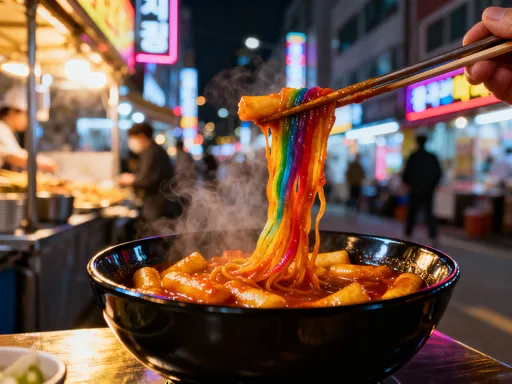
This shift is most visible in the evolution of classic street foods. Take tteokbokki, the beloved spicy rice cake dish traditionally served in a fiery red sauce. In Daejeon, you’ll find versions layered with pastel pink sauces made from beetroot, topped with edible flowers, or presented in transparent takeout cups that showcase the vibrant layers within. These aren’t gimmicks — they’re carefully balanced reinterpretations that maintain the dish’s bold flavor while elevating its visual appeal. Similarly, hotteok, the sweet filled pancake usually dusted with cinnamon sugar, now comes in gradient-filled iterations: golden brown exteriors giving way to swirls of green matcha, black sesame, or even purple sweet potato filling.
What sets Daejeon apart is its commitment to authenticity even in the face of aesthetic innovation. Most vendors still use traditional recipes as a foundation, sourcing ingredients from local farms and markets. Natural food coloring derived from gardenia seeds, purple cabbage, and turmeric replaces artificial dyes, ensuring that vibrant hues come without compromising health or flavor. Packaging, too, reflects this ethos — eco-friendly paper boxes adorned with minimalist Korean calligraphy or illustrated motifs of the city’s landmarks make every takeaway feel like a keepsake.
Moreover, the social media-savvy nature of younger vendors has created a feedback loop between diners and creators. When a dish goes viral on Instagram or KakaoStory, chefs take note — not to chase trends blindly, but to refine their craft based on real-time appreciation. This dynamic relationship fosters a culture of continuous improvement, where taste and beauty coexist rather than compete.
Must-Try Local Dishes with a Visual Twist
At the heart of Daejeon’s culinary charm are its signature dishes — reimagined classics that honor tradition while embracing modern presentation. One standout is jjimdak, a comforting braised chicken stew typically made with soy sauce, garlic, and vegetables. In Daejeon, this homestyle favorite is elevated with precision plating: served in shallow stone bowls that retain heat and enhance aroma, garnished with microgreens, toasted sesame seeds, and swirls of crimson chili oil that radiate outward like brushstrokes on canvas. The dish steams gently under soft overhead lighting, creating a sensory experience long before the first bite.
Another must-try is gujeolpan, a royal court dish consisting of nine-sectioned platters filled with finely julienned vegetables, thin egg crepes, and tender beef, all wrapped in delicate pancakes. Once reserved for aristocratic tables, it’s now gaining popularity in Daejeon’s boutique restaurants, where chefs present it as edible art. Imagine a lacquered wooden tray arranged like a mandala — each section a burst of color: bright orange carrots, emerald cucumber, golden egg, deep brown mushrooms. The symmetry is striking, the textures varied, and the ritual of wrapping each bite remains unchanged, preserving its cultural soul.
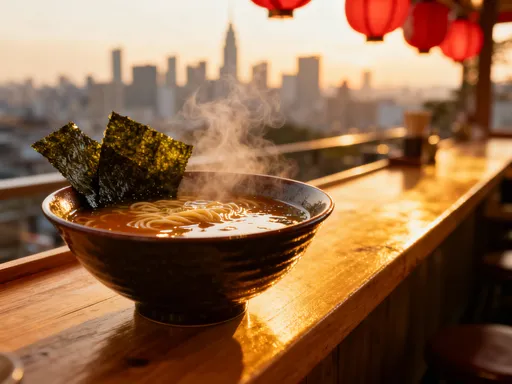
Regional noodle dishes also receive a visual upgrade. Janchi guksu, or banquet noodles, traditionally served during celebrations, are now presented with translucent broth tinted pale yellow from kelp stock, topped with paper-thin slices of zucchini and radish arranged in concentric circles. Some chefs even serve them in glass bowls to highlight the clarity of the broth and the silky strands beneath. Meanwhile, cold noodle dishes like naengmyeon come adorned with jewel-toned toppings — a single slice of Korean pear glistening like a gem, a fan of red cabbage adding contrast, and a dusting of crushed ice mimicking frost on a winter morning.
These dishes prove that visual appeal doesn’t require sacrificing authenticity. On the contrary, the attention to detail enhances the diner’s connection to the meal. Every element on the plate serves a purpose — whether flavor, texture, or symbolism — and the overall composition invites contemplation as much as consumption.
Hidden Cafes and Modern Bingsu Bars
If Daejeon has a dessert capital, it’s found in its thriving café culture — a network of intimate, design-conscious spaces where dessert is treated as performance art. Nowhere is this more evident than in the city’s modern bingsu bars, where shaved milk ice is transformed into towering, multi-layered masterpieces. Unlike the simple versions found in convenience stores, Daejeon’s bingsu is an experience — meticulously constructed, seasonally inspired, and utterly photogenic.
Take the mango bingsu, for example. It arrives as a golden mountain of finely shaved ice, studded with fresh mango cubes, mango purée swirled into the base, and crowned with a tuft of whipped cream and a delicate mango chip curl. The colors are warm and inviting, the layers clearly defined, and the first spoonful releases a burst of tropical sweetness balanced by the cool, airy texture of the ice. Matcha bingsu offers a cooler palette — deep green powder dusted over white ice, layered with red bean paste, mochi chunks, and a drizzle of condensed milk that creates abstract patterns when stirred.
Then there’s the black sesame bingsu, a Daejeon favorite that combines nutty depth with striking contrast. Jet-black sesame paste is layered into the ice, topped with toasted sesame seeds, honeycomb candy for crunch, and a single scoop of vanilla ice cream that slowly melts into the mix. The visual drama of dark against white, paired with the rich aroma of roasted sesame, makes it a favorite among both locals and visiting food photographers.
The cafes themselves enhance the experience. Many are tucked into quiet alleyways or converted traditional houses with wooden beams and paper lanterns. Interiors feature soft, diffused lighting, pastel walls, and mural-covered backdrops perfect for photos. Some even rotate seasonal themes — cherry blossoms in spring, golden ginkgo leaves in autumn — aligning their ambiance with the natural rhythm of the year. Seating is often arranged to maximize natural light near windows, ensuring that every dish looks its best the moment it’s served.
Where to Eat: Neighborhoods That Pop Off the Screen
To truly experience Daejeon’s Instagrammable food scene, knowing where to go is half the adventure. Three neighborhoods stand out for their photogenic charm, culinary variety, and walkable layouts: Jungangno, the Yuseong Hot Springs area, and the vicinity around Expo Science Park.
Jungangno, the city’s bustling downtown district, pulses with youthful energy. Lined with neon signs, boutique shops, and open-air food stalls, it’s the epicenter of Daejeon’s street food renaissance. Here, you’ll find vendors selling rainbow hotteok at dusk, their griddles glowing under string lights, and dessert trucks offering mini bingsu cups with customizable toppings. The wide pedestrian plaza in front of the train station becomes a lively evening market, ideal for capturing candid food moments against a backdrop of urban vibrancy. For photography, late afternoon offers golden-hour lighting that bathes the streets in warm tones, perfect for highlighting the colors of food displays.
The Yuseong Hot Springs area offers a more serene contrast. Known for its mineral-rich waters and tranquil parks, this district blends wellness with gastronomy. Riverside cafes serve tea sets on low wooden tables, their trays arranged with precision — jasmine blossoms floating in glass pots, honey puffs stacked like miniature pagodas. The surrounding willow trees and stone pathways provide a natural frame for photos, while the calm atmosphere encourages slower, more mindful eating. It’s an excellent spot for morning visits, when mist rises off the water and soft sunlight filters through the trees, creating a dreamlike ambiance.
Near Expo Science Park, innovation meets cuisine. The area surrounding the park features futuristic architecture, interactive installations, and themed restaurants that reflect Daejeon’s identity as a science hub. Family-friendly eateries here often incorporate educational elements — think noodle shops where kids can watch handmade noodles being stretched, or dessert cafes with molecular gastronomy touches like edible bubbles or color-changing drinks. The park’s open plazas and reflective pools double as natural photo studios, especially in the early evening when ambient lighting enhances the sleek lines of the buildings.
Each neighborhood offers a distinct visual language, making Daejeon a layered destination for food exploration. Whether you’re drawn to urban energy, natural serenity, or technological flair, there’s a corner of the city ready to inspire your next post.
How to Capture the Perfect Food Shot in Daejeon
Great food deserves great photos — and in Daejeon, a few simple techniques can turn a good shot into a stunning one. The key is working with the environment, not against it. Natural light is your best ally. Whenever possible, choose a table near a window or step outside during daylight hours. Morning and late afternoon light provide soft illumination that enhances color without creating harsh shadows. Avoid overhead fluorescent lighting, which can wash out details and distort hues.
When composing your shot, consider the rule of thirds — place the dish off-center to allow space for steam, utensils, or a hand reaching in. For layered desserts like bingsu or milk teas, shoot from above to capture the full spectrum of colors and textures. For stews or soups, a 45-degree angle often works best, showing both the surface and depth of the bowl. Don’t be afraid to include contextual elements: a vendor’s hands plating food, a steaming basket of dumplings, or a stack of colorful takeout boxes — these details add narrative richness.
Timing matters. Capture dishes as soon as they arrive — before condensation clouds glassware or ice begins to melt. For dynamic shots, wait for the moment a server pours tea, lifts a lid to release steam, or drizzles sauce over a plate. These split seconds add movement and life to your images. If you’re using a smartphone, tap the screen to focus on the main subject and adjust exposure manually for optimal clarity.
Editing should enhance, not alter. Use apps like VSCO or Snapseed to fine-tune brightness, contrast, and warmth — but avoid heavy filters that mask the dish’s true appearance. The goal is to reflect reality, not fabricate it. Most importantly, always ask permission before photographing people or private establishments. In Daejeon, vendors are generally welcoming, and many appreciate the interest. Some may even adjust the plate for a better angle or offer a sample with a smile — a reminder that hospitality is part of the experience.
Beyond the Feed: Eating with Respect and Curiosity
While capturing beautiful images is part of the joy, the true essence of Daejeon’s food culture lies beyond the lens. Every dish carries a story — of family recipes passed down through generations, of seasonal ingredients harvested with care, of communities gathering around shared tables. To eat in Daejeon is to participate in these traditions, not just document them.
Respect begins with presence. Put the phone down between shots. Taste the food while it’s warm, feel the texture of handmade noodles between your fingers, savor the balance of sweet and spicy in a well-crafted stew. Share dishes family-style, as locals do, encouraging conversation and connection. When you do take photos, do so mindfully — without blocking other diners, disrupting service, or treating the meal as merely content.
Curiosity deepens the experience. Ask vendors about their ingredients, their process, their favorite dish to make. Many will gladly share — not for likes, but because they take pride in their craft. Learning that a particular chili paste is fermented for 90 days, or that a certain tea blend includes mountain herbs foraged in spring, transforms a simple meal into a meaningful encounter.
In the end, the most valuable takeaway isn’t a viral post — it’s the memory of flavor, warmth, and human connection. Daejeon doesn’t rely on grand gestures to impress. Its magic is in the details: the careful plating, the quiet dedication of its cooks, the way a bowl of soup can feel like home. When we eat with intention, we honor not just the food, but the culture that made it possible.
Daejeon doesn’t shout for attention, but if you look closely — or snap a well-lit photo — you’ll see its quiet brilliance. Its food is no longer just fuel; it’s expression, identity, and art in motion. The next time you scroll past a pastel bingsu or golden jjimdak bubbling in a stone pot, remember: behind every stunning plate is a city reinventing tradition, one delicious, shareable moment at a time.