This Is Why Cornwall’s Public Spaces Are Pure Instagram Magic
You know that feeling when a place just gets the vibe? Cornwall’s public spaces aren’t just pretty—they’re alive with character. I wandered through coastal paths, harbourside benches, and sunlit village squares, and honestly, every corner felt like it was made for the ‘gram. No filters needed. Whether it’s the way the light hits the sea walls at dawn or how wildflowers spill from roundabouts, Cornwall turns everyday public spaces into visual poetry. Let me show you why this place is a social media dream.
The Coastal Canvas: Public Spaces Meets Ocean Drama
There’s a quiet brilliance in the way Cornwall’s seaside towns weave public life into the drama of the ocean. In places like St Ives and Falmouth, the boundary between land and sea isn’t just a line on a map—it’s a living, breathing stage for daily life and unforgettable imagery. Coastal promenades here aren’t mere walkways; they’re designed for pausing, for leaning on sun-warmed railings, for watching fishing boats bob in the harbour while gulls wheel overhead. These spaces feel intentional, yet never overdesigned. The architecture speaks softly, allowing the natural beauty to take center stage, making every photograph feel both composed and spontaneous.
Take the seafront in St Ives, for example. The winding path from the train station to Porthminster Beach is lined with low stone walls, wooden benches crafted from reclaimed driftwood, and subtle signage that blends into the landscape. There are no flashy attractions competing for attention—just clean lines, unobstructed views, and the ever-present rhythm of the tide. Photographers and families alike linger here, not because they’re told to, but because the space invites stillness. The golden hour light, especially in late summer, bathes the whitewashed cottages and turquoise water in a glow that no filter can replicate. It’s this harmony between human design and natural spectacle that makes Cornwall’s coastal public areas so inherently photogenic.
Equally compelling are the functional yet artistic tidal features found along the shore. In Falmouth, the Prince of Wales Pier offers a long, narrow corridor of views stretching across the Fal Estuary. Public seating is sparse but strategic—positioned to frame the passing ferries and sailboats. At low tide, the exposed mudflats become a canvas for reflections, creating mirror-like surfaces perfect for capturing cloudscapes and silhouettes. These are not staged photo ops; they’re organic moments born from thoughtful urban planning and an unbroken relationship with the sea. When visitors share images of these scenes, they’re not just posting a view—they’re documenting a dialogue between people and place.
Art in the Open: How Public Installations Elevate the Experience
Art in Cornwall doesn’t stay confined to galleries. It spills into the streets, climbs onto walls, and anchors itself in public squares, transforming ordinary spaces into unexpected visual narratives. This open-air gallery approach has become a hallmark of the region’s cultural identity, offering residents and visitors alike a dynamic backdrop that feels fresh with every visit. From large-scale sculptures to community-painted murals, public art here isn’t an afterthought—it’s woven into the fabric of daily life, enhancing both the aesthetic and emotional resonance of shared spaces.
One of the most striking examples is the outdoor programming at Tate St Ives. While the gallery itself draws international acclaim, its exterior spaces are just as compelling. Temporary installations often extend beyond the building’s walls, engaging directly with the coastal environment. A recent sculpture made from weathered metal and rope mirrored the textures of fishing nets and ship rigging, standing tall against the sky and sea. Positioned near the cliffside path, it became an instant focal point for photographs, not because it was grand, but because it belonged—its materials and form echoing the maritime heritage of the town. These curated yet context-sensitive works elevate the public realm without overpowering it.
In Newquay, surf culture finds its voice through public art in more playful ways. Along the seafront and in the town center, repurposed surfboards are mounted on walls, painted with vibrant coastal motifs, or suspended above walkways like flying waves. These displays aren’t just decorative; they celebrate local identity and attract photography that captures both action and artistry. A parent snapping a child in front of a rainbow-painted board, a couple pausing beneath a suspended wave—these are the candid, joyful moments that thrive in spaces where art feels accessible and alive. The result is a public realm that doesn’t just look good—it tells stories.
Village Squares with Soul: Where Charm Meets Function
If Cornwall’s coastline provides the drama, its village squares offer the intimacy. Places like Padstow, Mousehole, and St Agnes may be small in size, but their public plazas carry an outsized emotional weight. These are not tourist traps dressed up for cameras; they are the beating hearts of communities where fishermen gather for morning coffee, children chase seagulls, and visitors stumble upon scenes so picturesque they feel almost staged—yet every detail is real, lived-in, and deeply authentic.
Take the central green in Padstow, for instance. Framed by granite buildings with slate roofs and flower baskets spilling geraniums and fuchsias, the square functions as both a marketplace and a gathering spot. Benches made from local stone invite rest, while subtle design elements—like vintage-style lampposts and hand-painted shop signs—create visual continuity. There’s no grand monument at the center, no fountain or statue demanding attention. Instead, the beauty lies in the cohesion: every element, from the cobblestones to the planter boxes, contributes to a sense of place that feels timeless. Photographs taken here don’t need dramatic angles or filters; the charm emerges naturally in a close-up of a wrought-iron gate, a wide shot of the square at dusk, or a candid moment at the weekly farmers’ market.
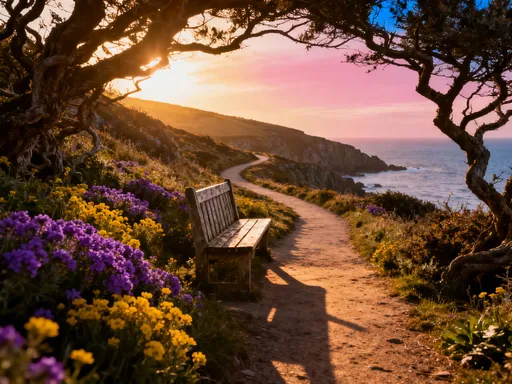
Mousehole, even smaller and quieter, offers a different kind of magic. Its tiny harbour square, barely large enough for a dozen people, becomes a stage for golden-hour light as the sun dips behind the cliffs. Fishing boats moored at the quay reflect in the still water, and the whitewashed cottages glow in the evening warmth. The public seating is minimal—just a few stone ledges—but they’re perfectly positioned for contemplation. Visitors often sit in silence, phones out not for scrolling, but for capturing the quiet beauty. These intimate spaces prove that scale doesn’t determine impact. A single bench overlooking the water can become an icon in someone’s photo feed, not because it’s famous, but because it feels true.
Pathways with Purpose: The Beauty of Walkable Design
Cornwall’s commitment to walkability isn’t just about transportation—it’s about experience. The region’s network of public footpaths, coastal trails, and green corridors are designed not merely to get from point A to B, but to slow people down, to encourage looking, listening, and lingering. This intentional design philosophy turns every journey into a potential photo essay, where the path itself becomes part of the story. The South West Coast Path, stretching over 630 miles and passing through some of Cornwall’s most breathtaking scenery, is the crown jewel of this system, offering endless opportunities for both physical and visual exploration.
What sets these pathways apart is their attention to human scale. Along the cliffside routes near St Agnes or Boscastle, the trail is wide enough for two people to walk side by side, with frequent resting points built into the landscape. Stone benches appear at natural vantage points, positioned to face the ocean or a secluded cove. Directional signage is minimal but effective, often carved into slate or painted on wood, blending into the environment rather than disrupting it. These thoughtful details make the path feel curated not for efficiency, but for enjoyment. Photographers and casual walkers alike find themselves stopping again and again, not out of fatigue, but because the view demands it.
The path also serves as a natural framing device. Hills curve to reveal sudden panoramas, rock formations create leading lines, and wildflowers along the edges add color and texture to every shot. There’s no need to search for a good angle—the landscape guides the eye and the lens. Even on busy days, the trail’s length and branching side paths allow for moments of solitude. Early morning hikes offer mist rising off the cliffs, while late afternoon light transforms the sea into liquid gold. These are the moments that fill Instagram feeds, not because they’re staged, but because the design of the space makes beauty inevitable.
Seasonal Shifts: How Light and Nature Redefine Public Spaces
One of Cornwall’s greatest gifts is its ability to reinvent itself with the seasons, all without changing a single brick or bench. The region’s mild maritime climate allows nature to play an active role in shaping the look and feel of public spaces throughout the year. Spring brings carpets of bluebells and daffodils spilling into village greens and roadside verges. Summer intensifies the colors—emerald hedges, turquoise waters, sun-bleached wood—while long daylight hours extend the golden hour well into the evening. Autumn paints the stone walls and hedgerows in warm ambers and rusts, and even winter, with its dramatic skies and storm-lit coasts, offers a moody, cinematic aesthetic.
The quality of light in Cornwall is perhaps its most defining feature. Due to its southwestern position in the UK, the region catches the last of the evening sun, creating prolonged periods of soft, diffused light ideal for photography. In spring and summer, the early morning light filters through sea mist, giving harbours and paths a dreamlike quality. By late afternoon, the sun skims the horizon, casting long shadows and highlighting textures—the grain of granite, the ripple of water, the weave of a wooden bench. These natural effects transform familiar spaces into something new, encouraging repeat visits and fresh perspectives.
For those planning photo opportunities, timing is everything. Visiting a village square just after a spring rain can yield reflective cobblestones and vibrant flower colors. Autumn mornings, when frost glistens on spiderwebs strung between benches, offer delicate, intimate shots. Even public roundabouts, often overlooked, become seasonal canvases—planted with tulips in April, sunflowers in July, and ornamental cabbages in December. These rotating displays, maintained by local councils and volunteers, show how public spaces can evolve with the rhythm of nature, offering ever-changing backdrops that feel both planned and serendipitous.
Community Touch: Why Locals Make the Difference
Behind every well-kept flower box, every tidy bench, and every pop-up market in a Cornish square is the quiet dedication of local residents. What makes Cornwall’s public spaces truly Instagram-worthy isn’t just their design or scenery—it’s the sense that they are loved. Unlike destinations that feel curated solely for tourists, these areas are first and foremost for the people who live there. The pride communities take in their shared environments adds an intangible authenticity that no design firm could manufacture.
In towns like Polperro and Looe, residents maintain window boxes and hanging baskets through informal gardening groups, often funded by small donations or council grants. These efforts aren’t for awards or recognition—they’re acts of care, small daily gestures that collectively transform the streetscape. A bench might be painted with a nautical pattern by a local artist, or a neglected corner revitalized with a mosaic made by schoolchildren. These touches aren’t polished or perfect, but they’re genuine, and that’s what resonates in photographs. When a visitor captures a shot of a flower-filled planter outside a fisherman’s cottage, they’re not just seeing color—they’re seeing community.
Seasonal events further deepen this connection. In Padstow, the annual Obby Oss festival sees the entire town square transformed with ribbons, music, and costumed dancers, all rooted in centuries-old tradition. While the celebration draws crowds, its heart remains local. Photos taken during such events carry energy and emotion that sterile, tourist-only zones can’t replicate. Even quieter moments—like a weekly craft fair in a village hall courtyard or a summer evening concert in a church green—add layers of life to public spaces. These aren’t performances for the camera; they’re real moments, shared and celebrated, and that’s what makes them worth sharing.
Capturing the Moment: A Practical Guide to Shooting Cornwall’s Public Spaces
Photographing Cornwall’s public spaces doesn’t require professional gear or advanced skills—just presence, patience, and respect. The best images often come from slowing down, observing light and movement, and waiting for the right moment. For smartphone users, simple adjustments can make a big difference. Using the grid function helps align horizons and create balanced compositions, especially when shooting reflections in tidal pools or symmetrical village squares. Tapping the screen to focus on a specific point—like a flower or a distant boat—ensures clarity, while avoiding digital zoom maintains image quality.
Lighting remains the most powerful tool. Early morning and late afternoon offer the softest, most flattering light, reducing harsh shadows and enhancing colors. Shooting during midday, when the sun is high, can result in flat or overexposed images, but this can be mitigated by seeking shaded areas—under archways, beside tall hedges, or within narrow alleyways. Coastal fog or light rain, often seen as inconveniences, can actually add atmosphere, creating moody, textured shots that stand out in a feed dominated by bright, sunny images.
Equally important is ethical photography. Cornwall’s spaces are not backdrops—they are homes, workplaces, and sanctuaries. Always ask permission before photographing people, especially in intimate or ceremonial settings. Avoid stepping on protected dunes or disturbing nesting birds for a better angle. Stick to marked paths, respect private property, and leave no trace. The most beautiful photos are those taken with care, not conquest. When shared with intention, they don’t just showcase beauty—they honor it.
Cornwall proves that truly great public spaces aren’t just functional—they’re emotional, visual, and shared. They don’t need filters or fame to shine; they thrive on authenticity and care. When you post that photo of a bench overlooking the waves or a flower-clad roundabout, you’re not just sharing a view—you’re inviting others into a place that values beauty in the everyday. That’s the real magic.