You Won’t Believe What Doha’s Skyline Hides
Walking through Doha feels like stepping into a futuristic dream shaped by sand and ambition. I never expected a city to blend tradition and innovation so boldly—every corner reveals architectural wonders that tell stories of culture, vision, and audacity. From towering desert-inspired skyscrapers to serene Islamic geometric masterpieces, Doha’s buildings don’t just rise—they speak. This is more than sightseeing; it’s immersion in a city sculpted by identity and imagination.
First Impressions: The City That Defies Expectations
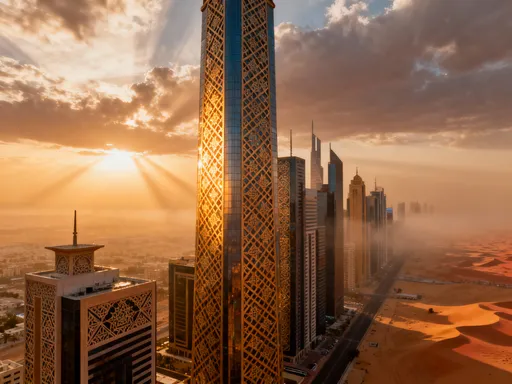
Arriving in Doha at dusk offers one of the most striking introductions to any global city. As the sun dips below the Persian Gulf, the skyline ignites in a cascade of golden light reflecting off glass and steel. The contrast is immediate and profound: a modern metropolis rising from the flat, sunbaked desert, where traditional dhow boats still glide along the corniche as skyscrapers stretch skyward. There’s no gradual transition—just an awe-inspiring leap into a world where heritage and hyper-modernity coexist with surprising harmony.
For many visitors, the emotional impact is layered. First comes surprise—this is not the image often associated with the Gulf region. Then curiosity: how does a city so deeply rooted in Bedouin traditions embrace such bold architectural experimentation? Finally, a sense of wonder sets in. The skyline tells a story of ambition, but also of intentionality. This is not random development; it’s a carefully orchestrated vision unfolding over time. The towering silhouette of the Torch Doha, once the tallest hotel in the region, stands as a beacon of progress, yet its flame-like spire subtly nods to ancient oil lamps used in Qatari homes.
Even the layout of the city reflects this duality. The Corniche, a sweeping waterfront promenade, offers panoramic views of both historic landmarks and futuristic towers. On one side, the traditional Al Jasrah district with its restored courtyard houses; on the other, the sleek curves of the Capital Gate, leaning more than the Tower of Pisa, engineered as a symbol of forward motion. The juxtaposition isn’t jarring—it’s deliberate, inviting visitors to read the city like a book where each chapter builds on the last.
The Heart of Heritage: Islamic Architecture Reimagined
At the core of Doha’s architectural identity lies a deep reverence for Islamic design principles, reinterpreted for the 21st century. The Museum of Islamic Art (MIA), designed by the late I.M. Pei, stands as the most powerful embodiment of this philosophy. Perched on its own man-made island, the museum rises like a geometric fortress from the sea. Pei, though not Muslim, spent months studying Islamic architecture across Spain, Egypt, and Iran before finalizing the design. His goal was not replication, but distillation—capturing the essence of Islamic aesthetics in pure form.
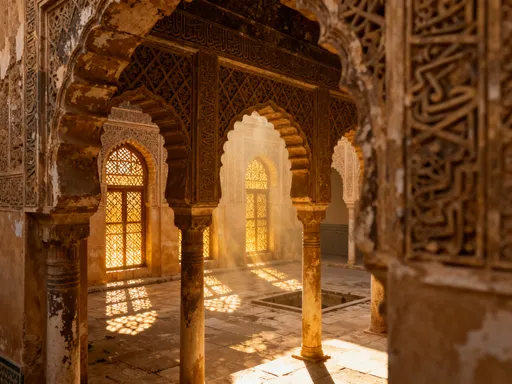
The result is a structure defined by light, geometry, and silence. The building’s faceted limestone exterior changes tone throughout the day, glowing warm at sunrise and cooling to silver under the midday sun. Inside, the grand atrium soars upward, framed by precise arches and muqarnas—honeycomb-like vaulting that filters sunlight into intricate patterns on the floor. These are not mere decorations; they are mathematical expressions of unity and infinity, central to Islamic thought. The use of calligraphy in metal screens and stone carvings adds another layer, transforming sacred texts into visual rhythm.
But MIA is not an isolated monument. Its influence radiates outward. Nearby mosques, cultural centers, and even office buildings incorporate similar elements—domes that echo the sky, courtyards that invite stillness, and wind towers that cool interiors naturally. The Grand Mosque, one of Qatar’s largest, features a vast central dome and minarets inspired by classical Ottoman and Fatimid styles, yet built with modern materials and precision. What makes these structures resonate is their authenticity—not in mimicry, but in continuity. They don’t pretend to be ancient; they honor the past while speaking clearly to the present.
Modern Marvels: Skyscrapers with Soul
Doha’s skyline is often associated with luxury and vertical ambition, but its most impressive towers are not defined by height alone—they are engineered with cultural and environmental intelligence. The Tornado Tower, one of the city’s most recognizable landmarks, exemplifies this fusion. Its spiraling form mimics the movement of wind through the desert, a nod to the region’s natural forces. The aerodynamic shape isn’t just aesthetic; it reduces wind resistance, improving structural stability and energy efficiency. At night, LED lighting traces the building’s twist, creating a dynamic visual that shifts with the seasons and special occasions.
Equally significant is the Msheireb Downtown Doha project, one of the world’s most ambitious urban regeneration efforts. Built on the site of old merchant homes in the historic heart of the city, this mixed-use district blends high-rise towers with low-rise heritage buildings. What sets it apart is its commitment to sustainability and cultural memory. The development uses passive cooling techniques, solar shading, and recycled water systems to reduce energy consumption by over 30% compared to conventional buildings. Yet, it also preserves the intimate scale of traditional Qatari neighborhoods, with narrow shaded streets that encourage walking and social interaction.
Materials play a crucial role in this balance. Many new buildings incorporate locally sourced limestone, textured facades that echo desert rock formations, and reflective glass that minimizes heat absorption. Shaded walkways, known as *sabats*, connect buildings at upper levels, allowing people to move comfortably even during the hottest months. These are not afterthoughts—they are central to the design philosophy. In Doha, architecture isn’t just about making a statement; it’s about creating livable, human-centered spaces that respond to climate and culture.
A City Built on Vision: The Role of Urban Planning
The transformation of Doha is not accidental. It is guided by Qatar National Vision 2030, a long-term development framework that prioritizes sustainable growth, cultural preservation, and global integration. This vision shapes everything from infrastructure to housing policy, but perhaps nowhere is it more visible than in the city’s urban planning. Unlike many rapidly developing cities that sacrifice public space for density, Doha has invested heavily in walkable zones, green corridors, and community-focused design.
One of the most notable examples is the Doha Metro, a state-of-the-art rapid transit system that connects key districts with speed and comfort. Designed with art and architecture in mind, each station features unique motifs inspired by Qatari heritage—from falconry patterns to desert flora. The system reduces traffic congestion and carbon emissions while making the city more accessible to residents and visitors alike. Simultaneously, large-scale parks like Al Bidda Park and the upcoming Doha Green project are reclaiming urban land for recreation and biodiversity.
Equally important is the balance between luxury and inclusivity. While Doha is home to some of the world’s most opulent towers and residences, the city also invests in mixed-income housing and public amenities. The Lusail development, a planned city north of Doha, includes schools, hospitals, and cultural venues alongside commercial and residential towers. This holistic approach ensures that growth benefits more than just a privileged few. Urban planning here is not just about building higher—it’s about building smarter and fairer.
Hidden Layers: Where Tradition Meets Innovation
Beneath the grandeur of Doha’s skyline lies a network of subtle, thoughtful details that reveal the city’s true character. These are the hidden layers—elements that might escape casual observation but are essential to understanding its architectural soul. One of the most striking is the revival of traditional courtyard houses within modern complexes. In Msheireb and other districts, restored *barjeel* homes—named for their wind towers—serve as cultural centers, cafes, or boutique hotels. These structures, once at risk of disappearing, now anchor new developments with authenticity and warmth.
Another example is the modern reinterpretation of the *mashrabiya*, the latticed wooden screen used historically for privacy and ventilation. Today, architects use laser-cut metal or concrete versions of this motif on high-rise facades, providing shade while casting intricate shadows that shift with the sun. These screens are not nostalgic ornaments—they are functional elements that reduce solar gain and energy use. Similarly, the *badgheer*, or wind catcher, has been adapted into contemporary ventilation systems that channel cool air into buildings without relying solely on air conditioning.
Smaller projects also contribute to this dialogue. Neighborhood mosques, cultural institutes, and art galleries often incorporate local craftsmanship—hand-carved stone, woven textiles, and ceramic tiles—in ways that honor tradition without feeling outdated. These spaces may not dominate the skyline, but they shape the daily experience of the city. They remind residents and visitors alike that progress does not require erasing the past—it can amplify it.
Light, Space, and Emotion: The Sensory Experience of Doha’s Architecture
To walk through Doha is to engage all the senses. The city’s architecture is not just seen—it is felt. Light plays a central role in this experience. In the early morning, the limestone buildings glow softly, their textures emerging slowly as the sun rises. By midday, shadows sharpen, creating bold contrasts between light and dark, solid and void. In the evening, as temperatures cool, the city transforms again. Illuminated facades, reflective pools, and ambient lighting turn the skyline into a luminous tapestry.
Open plazas and courtyards offer moments of stillness amid the urban energy. The plaza in front of the Museum of Islamic Art, framed by water and palm trees, invites quiet contemplation. The sound of fountains, the rustle of leaves, and the distant call to prayer create a meditative atmosphere. These spaces are intentionally designed—not just as gaps between buildings, but as destinations in themselves. They provide relief from the heat, yes, but also from the pace of modern life.
Equally powerful is the sense of scale. While Doha has its monumental towers, many of its most memorable spaces are human-sized. The narrow alleyways of Souq Waqif, the shaded arcades of Msheireb, the intimate courtyards of restored homes—all encourage slowness, conversation, and connection. This balance between grandeur and intimacy is rare in rapidly developing cities. In Doha, it is a deliberate achievement. The architecture doesn’t overwhelm; it welcomes.
Why Doha’s Architecture Matters Beyond Aesthetics
Doha’s built environment is more than a collection of impressive buildings—it is a narrative of national identity. In a region often defined by oil wealth and rapid change, the city’s architecture asserts a deeper story: one of cultural confidence, intellectual ambition, and long-term thinking. By investing in design that reflects heritage while embracing innovation, Qatar communicates that modernity and tradition are not opposites, but partners.
This approach offers valuable lessons for other cities facing similar challenges. How can urban growth respect local identity? How can sustainability be woven into the fabric of design? How can public spaces foster community in an age of isolation? Doha’s answers are not perfect, but they are intentional. The city shows that architecture can be a tool for education, pride, and belonging—not just economic development.
For visitors, especially women in their 30s to 50s who value meaningful travel experiences, Doha offers more than luxury shopping or beach resorts. It offers insight. Walking through its streets is like reading a book about resilience, creativity, and vision. It’s a place where every building has a purpose, every plaza tells a story, and every detail invites closer look. The city doesn’t shout; it whispers—and those who listen discover something profound.
Doha’s architecture is not just about height or luxury—it’s a dialogue between past and future, desert and sea, silence and statement. To walk its streets is to witness a nation defining itself through form and space. In a world of generic skylines, Doha dares to be different. And once you’ve seen it, you’ll never look at urban landscapes the same way again.