You Won’t Believe These Hidden Festival Gems in Perth
Perth’s festival culture is way more than just mainstream events—it’s alive in quiet laneways, coastal suburbs, and Indigenous gatherings most tourists never hear about. I stumbled upon these experiences by talking to locals, wandering off tourist maps, and saying “yes” to invites I barely understood. What I found was mind-blowing: authentic celebrations full of rhythm, art, and community spirit. This isn’t the Perth you see in brochures—it’s the real deal, hidden in plain sight.
Beyond the Brochures: The Real Pulse of Perth’s Festival Scene
When most people think of festivals in Perth, they picture the grand stages of the Perth Festival or the buzzing pop-up theatres of Fringe World. These events are undeniably impressive—well-funded, professionally curated, and drawing international talent. Yet, for all their polish, they represent only a fraction of what makes Perth’s cultural calendar so rich. The true heartbeat of the city’s festival life pulses in quieter, less advertised corners—where neighbors gather in shared spaces, where traditions are passed down through song and story, and where creativity flows without corporate sponsorship.
So what does “hidden” really mean in this context? It’s not about secrecy, but rather about scale and origin. Hidden festivals in Perth are typically community-driven, often organized by volunteers, grassroots collectives, or cultural groups who prioritize authenticity over spectacle. They take place outside the mainstream tourism cycle and rarely appear on official event websites. These gatherings might last only a weekend or even just an afternoon. Some don’t have names, while others are known only by word of mouth. Their value lies not in ticket sales or media coverage, but in the genuine connections they foster among participants.
Why do these smaller events offer deeper cultural immersion? Because they are rooted in real life. Unlike large festivals designed for mass appeal, hidden events reflect the actual rhythms of local communities. Attending one feels less like watching a performance and more like being welcomed into a living tradition. Whether it’s a storytelling circle under the stars or a neighborhood food swap celebrating seasonal harvests, these moments invite travelers to slow down, listen, and engage. The experiences are unfiltered, unscripted, and unforgettable—offering insight into the values, histories, and dreams of the people who call Perth home.
The Secret Spots: Where Hidden Festivals Come to Life
If mainstream festivals thrive in convention centers and major parks, their hidden counterparts flourish in unexpected places. Think of a converted warehouse in East Perth hosting a monthly poetry slam, a community garden in Subiaco blooming with lanterns during a winter solstice celebration, or an open-air dance party under the train bridge in Northbridge. These venues are not chosen for convenience, but for meaning. They reflect the identity of the neighborhoods they serve and often carry histories of resilience, reinvention, and collective ownership.
Fremantle, with its maritime heritage and strong sense of local pride, is a hotspot for underground cultural events. The West End precinct, in particular, pulses with creative energy—its narrow streets and heritage buildings providing the perfect backdrop for intimate performances and art installations. Leederville and Mount Lawley, once quiet residential suburbs, have evolved into vibrant cultural crossroads. Independent music venues, small galleries, and community halls regularly host gatherings that blend music, food, and storytelling in ways that feel organic and spontaneous.
The city’s urban layout plays a quiet but powerful role in shaping where hidden festivals happen. Perth’s low-density development and abundance of public green spaces create natural pockets for community expression. A park bench becomes a stage; a laneway turns into an open-air gallery. These spaces are not designed for tourism—they are used by locals, shaped by history, and sustained by care. When a festival emerges in such a place, it’s not an imposition, but an extension of daily life. That’s what gives these events their authenticity. They don’t feel staged because they aren’t. They are simply what happens when people come together in places they love.
Voices of the Locals: The People Behind the Magic
Behind every hidden festival in Perth are the people who make it possible—artists, elders, organizers, and volunteers who pour their time, energy, and passion into creating moments of connection. Many of these individuals work quietly, far from the spotlight. They aren’t seeking fame or profit, but the satisfaction of seeing their community come alive. Their motivations vary: some aim to preserve cultural traditions, others want to create safe spaces for creative expression, and many simply believe in the power of gathering.
Take the example of a small annual gathering in the hills outside Perth, organized by a group of Noongar elders and young cultural ambassadors. This event, held at a sacred site with permission from Traditional Custodians, includes storytelling, dance, and bush food tastings. It’s not advertised online, and attendance is by invitation or referral. The organizers emphasize that the festival is not a performance for outsiders, but a way to strengthen cultural identity and pass knowledge to younger generations. For visitors lucky enough to be included, the experience is profoundly moving—a rare opportunity to witness living culture with respect and humility.
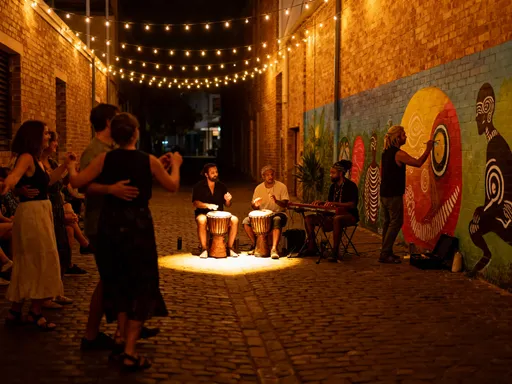
Similarly, in inner-city neighborhoods, local artists often lead initiatives that blend creativity with community building. A mural project in a neglected laneway might begin as a weekend cleanup effort and evolve into a full-scale street art festival. These creators speak of their work as a form of care—not just for the space, but for the people who live nearby. They talk about seeing strangers become neighbors, about children returning with their families to point out paintings they helped create. The challenges are real—funding is scarce, permits can be difficult to obtain, and burnout is common. Yet the joys outweigh the struggles. There is deep fulfillment in knowing that what you’ve built brings people together, even if only for a single afternoon.
Rhythm & Ritual: Experiencing Music, Dance, and Art in Unexpected Places
One of the most striking aspects of Perth’s hidden festivals is how seamlessly art and life intertwine. You don’t always need a ticket or a schedule to experience culture here. Sometimes, it finds you. A drum circle forms at sunset on Cottesloe Beach, drawing in passersby with its steady, grounding beat. A group of dancers rehearsing in a community hall opens the doors when they see curious onlookers. An art walk emerges from a series of open studios during a local heritage weekend, turning quiet streets into a living gallery.
These spontaneous moments are not accidents—they are expressions of a city where creativity is deeply valued, even when it operates outside formal institutions. In many neighborhoods, music and movement are part of the social fabric. You might stumble upon a pop-up jazz set in a backyard during a Saturday afternoon, or hear traditional didgeridoo music drifting through the trees at a small cultural gathering in Bold Park. These experiences are fleeting, often undocumented, but they leave a lasting impression. They remind visitors that culture doesn’t have to be grand to be meaningful.
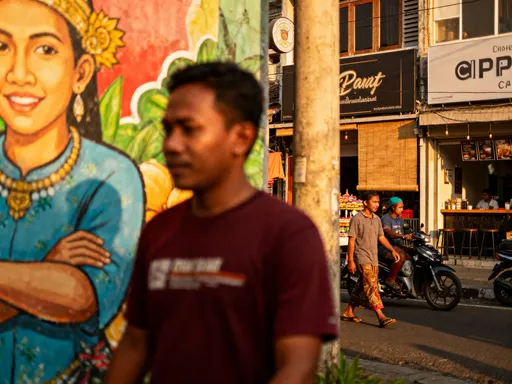
Some of the most memorable hidden festivals center around visual art. Laneway festivals, for instance, transform overlooked urban spaces into vibrant displays of color and message. Artists use walls, fences, and even utility boxes as canvases, often collaborating with local schools or youth groups. The result is not just beautification, but storytelling. Murals depict local history, environmental concerns, or dreams for the future. Walking through such a festival feels like reading the soul of a community—one brushstroke at a time. Unlike gallery exhibitions, these events encourage interaction. Visitors are invited to ask questions, take photos, and even contribute to collaborative pieces. The boundary between artist and audience dissolves, creating a shared sense of ownership and wonder.
Taste the Culture: Food as Festival in Its Own Right
In Perth’s hidden festival scene, food is more than sustenance—it’s celebration, memory, and connection. Some of the most powerful cultural experiences happen not on stage, but around tables, grills, and shared platters. Community kitchens, often run by multicultural groups, host seasonal feasts that bring together flavors from across the globe. A Greek Orthodox parish might open its hall for a lamb roast during Easter, while a Southeast Asian collective prepares a lantern-lit noodle night to mark the Lunar New Year.
These gatherings are not commercial ventures. They are acts of generosity, rooted in the belief that food is a way to welcome others into your world. The recipes are often family heirlooms, passed down through generations. The cooking is done by volunteers who take pride in sharing their heritage. And the atmosphere is warm, unhurried, and inclusive. There’s no rush to turn tables or push merchandise. Instead, there’s conversation, laughter, and the simple joy of eating together.
Food trucks and local markets also play a key role in Perth’s underground festival culture. During certain weekends, a quiet car park in Morley or Gosnells transforms into a bustling street food hub, featuring cuisines rarely found in city-center restaurants. Think Afghan dumplings, Filipino sisig, or West African jollof rice—dishes made with care and served with pride. These events often coincide with cultural association fundraisers or youth programs, making them both delicious and meaningful. For visitors, they offer a rare chance to taste authentic flavors while supporting community initiatives. More than that, they create space for dialogue—between cultures, generations, and strangers who become friends over a shared meal.
Timing It Right: When and How to Find These Hidden Events
Finding Perth’s hidden festivals requires a different approach than planning a trip around major events. There’s no single website or app that lists them all. Instead, discovery comes from staying curious, connected, and flexible. One of the best ways to learn about upcoming gatherings is through local radio stations like RTRFM or SYN Media, which often feature interviews with community artists and organizers. These broadcasts don’t just announce events—they tell stories, building anticipation and context.
Social media, particularly Instagram and Facebook, can also be valuable tools—if used wisely. Following independent artists, cultural centers, and neighborhood groups often yields better results than searching for official tourism pages. Hashtags like #PerthUnderground, #LocalPerthEvents, or #CommunityArtWA sometimes surface lesser-known gatherings. However, many events are not posted online at all. They spread through word of mouth, flyers in cafes, or announcements at local markets. This means that being physically present in a neighborhood increases your chances of stumbling upon something special.
Timing matters, too. Autumn is widely considered the best season for hidden festivals in Perth. The weather is mild, the summer crowds have thinned, and there’s a creative energy in the air following the conclusion of Fringe World. September through November often sees a surge in community-led events, from garden festivals to open studio weekends. That said, surprises can happen any time of year. A sudden celebration might emerge after a local art project is completed, or a cultural group might host an impromptu gathering to honor a seasonal change. The key is to stay open. Instead of packing every hour with plans, leave room for spontaneity. Say yes to invitations, even if you don’t fully understand them. Wander down side streets. Smile at strangers. Sometimes, the best festivals aren’t found—they find you.
Respect the Vibe: How to Be a Mindful Explorer
As rewarding as it is to discover Perth’s hidden festivals, it’s equally important to engage with them respectfully. Many of these events are not designed for mass tourism. They exist for the benefit of local communities, particularly those from Indigenous, multicultural, or historically marginalized backgrounds. As an outsider, your presence should be guided by humility and care. The goal is not to consume culture, but to honor it.
One of the most important principles is to observe before participating. Take time to understand the mood, rhythm, and boundaries of the event. If photography is allowed, ask first—especially when people, sacred objects, or cultural practices are involved. Some moments are meant to be experienced, not recorded. Avoid treating the event like a photo opportunity or social media content. Instead, focus on being present, listening, and showing genuine interest.
Supporting local vendors is another way to contribute positively. Whether it’s buying a handmade craft, sampling a dish from a community kitchen, or donating to a cultural group, your participation can help sustain these events for future generations. Volunteering, if opportunities are available, is an even deeper form of engagement. Even a simple “thank you” expressed with sincerity can mean a lot to organizers who work tirelessly behind the scenes.
Perhaps most importantly, remember that inclusion is a privilege, not a right. Some gatherings may be closed to outsiders, and that’s okay. Respecting those boundaries is part of being a mindful traveler. When you are welcomed, carry that gratitude with you. Let it shape how you move through the world—not as a spectator, but as a respectful guest.
Conclusion
Perth’s true festival spirit doesn’t live in grand arenas—it thrives in the spaces between, where culture breathes freely and connection feels real. By stepping off the beaten path, travelers gain more than memories; they become part of something alive, evolving, and deeply human. The hidden festivals of Perth aren’t just events—they’re invitations. Invitations to listen, to share, to slow down, and to see a city not through a lens, but through the eyes of those who love it. These moments don’t need spotlights to shine. They glow quietly, waiting for those willing to look beyond the map. And when you find them, you don’t just witness culture—you feel it in your bones, in the beat of a drum, in the taste of shared food, in the warmth of a stranger’s smile. That’s the magic of Perth, not in its brochures, but in its heart.