You Won’t Believe What I Found Hiking Near Melbourne’s Wild Festival Scene
Hiking around Melbourne isn’t just about trails and views—this city blends nature with something totally unexpected: festival culture. I hit the paths during peak season and stumbled upon celebrations deep in the bush, where music echoed through eucalyptus trees and local artists turned trailheads into pop-up galleries. It was surreal, vibrant, and absolutely real. If you think hiking is just exercise, wait till you experience it here—where every step leads to rhythm, color, and community. This is not performance art staged for tourists; it’s a living, breathing expression of how Australians embrace both the outdoors and creative connection. In Melbourne, nature doesn’t silence culture—it amplifies it.
Why Melbourne? The Unexpected Mix of Nature and Culture
Melbourne stands apart from other global cities not only for its coffee culture or street art but for its seamless integration of wilderness and urban life. Within an hour’s drive from the city center lie vast tracts of protected forest, coastal cliffs, and rolling hills that form the backbone of Victoria’s outdoor recreation network. The Dandenong Ranges rise like a green spine to the east, cloaked in mountain ash and tree ferns, while the Mornington Peninsula unfurls to the south with rugged coastlines and quiet bushland trails. These areas are not merely weekend escapes—they are woven into the rhythm of daily life for locals who value both physical well-being and cultural enrichment.
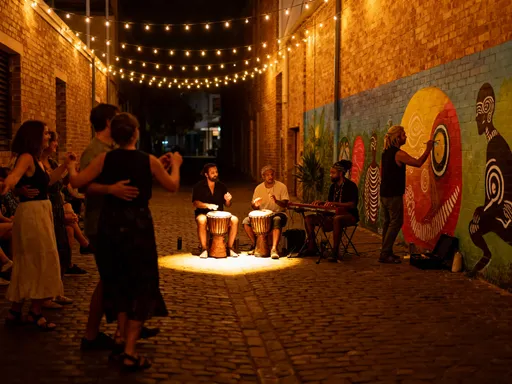
What makes Melbourne unique is how naturally its artistic spirit flows into these natural spaces. Unlike cities where festivals are confined to stadiums or convention centers, here they emerge organically in parks, forests, and along hiking routes. Community-led events often begin as small gatherings—a drum circle under towering gums, a poetry reading beside a creek—and grow into seasonal traditions supported by councils and environmental groups alike. This synergy between nature and culture is not accidental; it reflects a broader Australian ethos of respecting the land while celebrating human expression within it.
The city’s proximity to national parks such as Yarra Ranges, Kinglake, and Bunyip State Park means that even short hikes can lead to unexpected encounters with music, art, or performance. Local governments and conservation bodies have long recognized the value of low-impact cultural programming in natural settings, encouraging events that enhance rather than exploit the environment. As a result, hikers today can expect more than solitude—they might find themselves pausing at a temporary sculpture made from fallen branches or listening to a folk trio playing near a trail junction. This blend of physical activity and cultural immersion defines the modern Melbourne hiking experience.
The Rise of Festival Culture in Outdoor Spaces
Over the past two decades, Victoria has seen a quiet revolution in how people engage with public lands. Once reserved strictly for conservation and recreation, forests and coastal reserves now also serve as stages for cultural expression. This shift didn’t happen overnight. It grew from grassroots movements that believed art and music belong not only in galleries and concert halls but also under open skies and among ancient trees. Supported by state initiatives promoting eco-conscious events, outdoor festivals have flourished across the region, many timed to coincide with mild weather and blooming native flora.
One of the most enduring examples is the Port Fairy Folk Festival, held annually in late February along the Shipwreck Coast. Though based in a historic seaside town, the event draws thousands into surrounding natural areas, where impromptu jams and acoustic sets spill onto beaches and headland paths. Similarly, White Night Melbourne—an all-night celebration of light, sound, and performance—has inspired satellite happenings in parks like Alexandra Gardens and Royal Botanic Gardens, where illuminated installations transform familiar landscapes after dark. While not traditional hiking destinations, these events signal a growing appetite for blending culture with outdoor environments.
More directly linked to trail culture are smaller, localized events such as the Lost Lands Festival near Daylesford or the Briagolong Bush Poetry Gathering in Gippsland. These gatherings often take place in regional forests or near walking tracks, inviting participants to hike in or camp nearby. They emphasize sustainability, community participation, and cultural exchange, frequently featuring indigenous storytelling, craft workshops, and acoustic music sessions held in clearings or beside streams. Such events demonstrate that festival culture in Victoria is not limited to urban centers—it thrives in harmony with nature, enhancing the hiking experience without compromising ecological integrity.
This rise in outdoor cultural programming reflects a broader societal shift toward meaningful, place-based experiences. People no longer want passive entertainment; they seek connection—to each other, to history, and to the land. By embedding festivals within natural landscapes, organizers create moments of wonder that linger far beyond the final note of music. For hikers, this means every trail could hold a surprise: a hidden stage, a shared meal, or a spontaneous dance beneath the stars.
Hiking Trails That Lead to Hidden Cultural Hotspots
Some of Melbourne’s most rewarding hikes double as pathways to cultural discovery. The Kokoda Track Memorial Walk in the Dandenongs, for example, is more than a tribute to wartime history—it’s a living corridor where remembrance blends with creativity. Along its winding path through cool temperate forest, visitors often encounter memorial plaques, sculptures, and interpretive signs. But during certain times of year, especially Anzac commemorations or community heritage weeks, the trail becomes animated with readings, choral performances, and wreath-laying ceremonies led by local schools and veterans’ groups. These events are not advertised widely; they unfold quietly, adding emotional depth to the physical journey.
Another notable route is the Bay Trail, which stretches over 60 kilometers from Port Melbourne to Frankston. While primarily used for cycling and walking, sections of this coastal path regularly host pop-up cultural moments. Near Beaumaris, for instance, local artists have been known to set up temporary displays on weekends—paintings propped against fences, handmade jewelry laid out on blankets, or musicians performing near the cliff-top lookout. These are not commercial ventures but expressions of community pride and creative sharing. Hikers who pause to listen or observe often leave feeling they’ve witnessed something authentic and fleeting.
Further afield, the trails around Warburton and Healesville occasionally intersect with indigenous cultural events. While specific ceremonial gatherings are private and not open to the public, there are approved opportunities to learn about Wurundjeri and Bunurong traditions through guided walks, storytelling sessions, and art exhibitions held at cultural centers near trail access points. These experiences are carefully managed to respect cultural protocols, offering insight without intrusion. Participants may hear traditional language spoken, see weaving demonstrations, or learn about bush foods used for thousands of years—all within earshot of the same streams and forests they’ve come to hike.
Even seemingly ordinary paths can become stages for spontaneity. On a recent autumn hike along the Toorak Hill circuit, I encountered a small group engaged in a bush poetry recital—elders taking turns reading verses written in the spirit of Banjo Paterson and Henry Lawson. There was no microphone, no crowd, just a circle of listeners seated on logs, moved by words that honored the landscape around them. These moments cannot be scheduled or guaranteed, but they are real, rooted in a tradition of Australians finding voice in the bush. For the curious hiker, they represent the soul of Melbourne’s trail culture: unscripted, heartfelt, and deeply connected to place.
What to Pack: Gear Meets Vibe
Preparing for a hike in Melbourne’s culturally active wilderness requires more than just sturdy boots and a water bottle. While safety and preparedness remain paramount, a new kind of packing list has emerged—one that balances practicality with openness to spontaneous cultural experiences. The goal is to carry only what you need while staying ready to participate, observe, or simply appreciate the unexpected.
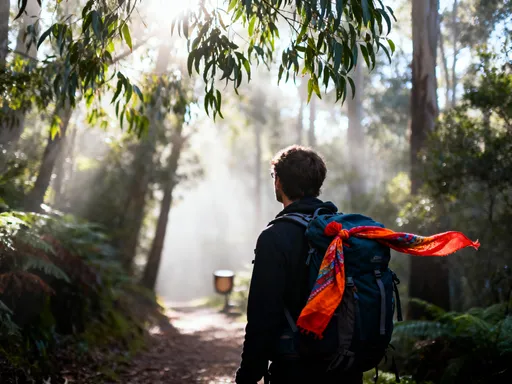
Start with the essentials: moisture-wicking clothing, a lightweight rain jacket (Victoria’s weather can shift quickly), sunscreen, and a well-fitted backpack with hip support. But consider adding a few extra items that reflect the dual nature of these journeys. A colorful scarf or festival-style shirt takes up little space but can make you feel more welcome at a casual gathering. If you play an instrument—even a harmonica or hand drum—bringing it along (responsibly) might lead to an invitation to join a circle. Many hikers now carry compact Bluetooth speakers, though their use should always be discreet and never disturb others or wildlife.
A small notebook and pen are invaluable for jotting down poetry heard on the trail or sketching a scene that captures the moment. Some travelers bring reusable cups or billy cans, not just for tea breaks but to engage in shared campfire rituals when appropriate. And if you know you’ll pass near a pop-up art stall or craft market, a foldable tote bag comes in handy for carrying souvenirs like handmade soaps, locally printed postcards, or ceramic mugs from independent artisans.
Most importantly, pack an attitude of respect and curiosity. Leave flashy gear behind; this is not about performance or spectacle. Instead, bring quiet awareness—your presence should enhance, not disrupt, the natural and cultural environment. By blending functional preparation with cultural sensitivity, you ensure that every hike becomes not just a physical journey but a meaningful encounter.
Timing It Right: Seasons, Events, and Trail Availability
To fully experience the fusion of hiking and festival culture in Melbourne, timing is everything. The best window runs from March to May, when summer’s heat has faded, the trails are dry enough to walk safely, and autumn light casts a golden glow over forests and coastlines. This period also aligns with several key cultural events, making it ideal for planning a trip that combines outdoor adventure with creative engagement.
March often brings regional harvest festivals, particularly on the Mornington Peninsula, where vineyards and orchards open their gates to the public. While not directly on hiking trails, these events attract visitors who explore nearby walking paths before or after tastings. April sees increased activity around Anzac Day commemorations, with special services and interpretive walks held along memorial trails like the Kokoda Track. These are solemn occasions, but they offer powerful insight into how Australians honor history in natural settings.
May is perhaps the richest month for cultural overlap. The Melbourne International Arts Festival typically includes outdoor installations and performances in parks across the city and suburbs, some accessible via connecting trails. Additionally, community groups often organize guided night walks with lanterns or storytelling sessions during the cooler evenings, especially in areas like the Dandenongs where fog rolls through the valleys and adds to the atmosphere. These events are usually free or low-cost, promoted through local councils or environmental networks.
Outside this prime season, hikers should exercise caution. Winter months (June to August) bring wet conditions that can close trails for erosion control, and fewer cultural events occur due to lower visitor numbers. Summer (December to February) can be too hot for extended walks, particularly in inland areas, though coastal routes remain popular—especially during events like the St Kilda Festival, which spills onto nearby beachside paths with music and dance. Checking Parks Victoria’s website for trail closures and event calendars is essential for any traveler hoping to synchronize their hike with cultural moments.
Respect the Land: How to Enjoy Without Overstepping
As festival culture grows within natural spaces, so does the responsibility to protect those environments. The principle of Leave No Trace is not just a guideline—it’s a commitment shared by event organizers, hikers, and local communities alike. Every person who enters the bush carries the power to preserve or degrade, and the choices made on the trail have lasting consequences.
Staying on designated paths is the simplest yet most effective way to minimize impact. Trampling vegetation or creating new shortcuts can lead to soil erosion and habitat disruption, especially in sensitive alpine or riparian zones. When encountering a pop-up event near a trail, resist the urge to move off-path for a better view. Instead, observe from a respectful distance and avoid encroaching on performance spaces that may have been carefully arranged to protect the surroundings.
Noise pollution is another critical concern. While music and laughter are part of the joy, amplified sound or loud conversations can disturb wildlife and diminish the experience for others seeking quiet. Portable speakers should be used sparingly, if at all, and never near nesting birds or at night. Similarly, fires must only be lit in approved areas with proper permits; many cultural gatherings now use solar lanterns or gas stoves to maintain warmth and ambiance without risk.
Supporting local, eco-friendly vendors is another way to contribute positively. When purchasing food, crafts, or drinks at trailside stalls, choose items made with sustainable materials and minimal packaging. Carry out all waste, including biodegradable scraps like apple cores, which can introduce non-native seeds or attract pests. Most importantly, listen to local voices—whether indigenous custodians, park rangers, or community organizers—and follow their guidance. Their knowledge ensures that culture and conservation coexist in balance.
Beyond the Trail: Where Nature and Culture Come Together
The true magic of hiking near Melbourne lies not in any single trail, view, or festival—but in the way these elements converge to create something greater than the sum of their parts. It’s in the hush of a eucalyptus forest suddenly filled with the resonance of a didgeridoo. It’s in the shared silence of a group watching a sunset poetry reading on a cliff edge. It’s in the realization that adventure doesn’t have to mean isolation—that connection, creativity, and community can thrive even in the most remote corners of the bush.
This fusion transforms the act of walking into a deeper kind of journey—one that nurtures not only the body but the spirit. For many, especially women in the 30–55 age group who seek meaningful, safe, and enriching travel experiences, Melbourne’s trail-festival blend offers a rare gift: the chance to move at your own pace while being gently drawn into moments of collective joy. There’s no pressure to perform, no need to rush—just the invitation to be present, to notice, and to belong.
It’s also a reminder that culture doesn’t begin and end in cities. It lives in the stories told beside campfires, in the songs passed down through generations, in the hands that shape clay or weave fibers using ancient techniques. By walking trails that lead to these expressions, hikers become witnesses to a living heritage—one that honors the past while embracing the present.
So the next time you plan a hike, consider not just the distance or elevation, but the possibility of encounter. Could this path lead to music? To art? To conversation with a stranger who shares a piece of their world? In Melbourne, the answer is often yes. The trails are not just routes through nature—they are threads in a larger tapestry, weaving together land, people, and creativity in ways that surprise, inspire, and endure. Step onto them with open eyes, and you may find that the journey changes you in ways you never expected.