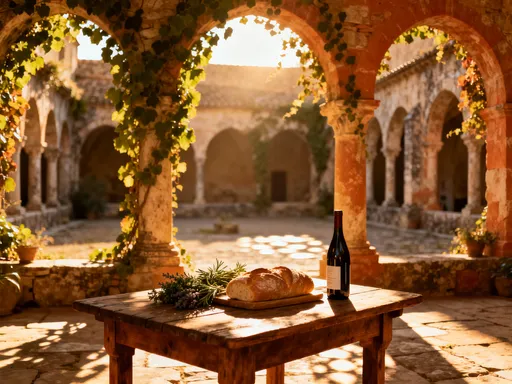
Lost in the Volcanic Stone and Sunlight: What These Islands Keep Silent
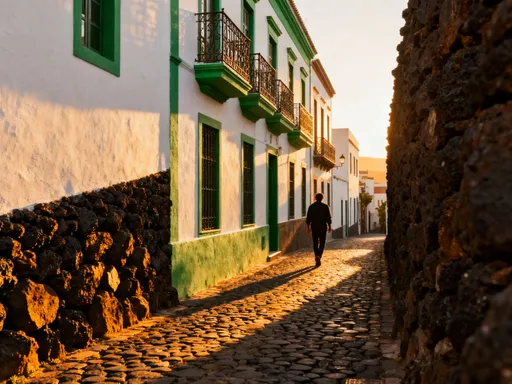
Walking through the Canary Islands feels like flipping through a living architecture book—one written in volcanic stone, whitewashed walls, and colorful wooden balconies. I never expected history to speak so loudly through buildings. From colonial charm to modern eco-designs, every town tells a story. The islands, born of fire and shaped by trade winds, have developed a built environment that is both functional and poetic. Architecture here does not merely shelter—it communicates. If you're chasing sun and soul, here’s why the islands’ architectural secrets will redefine your journey, offering not just beauty but wisdom etched in stone and timber.
First Impressions: Where Land Meets Legacy
The Canary Islands are often marketed for their golden beaches, year-round sunshine, and relaxed pace of life. Yet beneath the surface of these postcard-perfect images lies a deeper narrative—one written in the language of architecture. From the moment travelers step off the plane, they are greeted not only by warm air and ocean breezes but by a built environment that reflects centuries of adaptation, survival, and cultural fusion. This is not a destination shaped solely by tourism; it is one where land and legacy are inseparable, and where every structure, from a humble farmhouse to a grand cathedral, tells a story of resilience.
The archipelago’s geography has played a decisive role in shaping its architectural identity. Born from volcanic eruptions millions of years ago, the islands are composed of rugged lava fields, porous stone, and dramatic cliffs that drop into the Atlantic. Early settlers, including the indigenous Guanche people, had to build with what the land provided. Volcanic rock became the primary building material—dense, durable, and readily available. These stones, dark and textured, were stacked without mortar in many early constructions, creating walls that breathed with the climate, regulating temperature in an environment where days could be scorching and nights surprisingly cool.
With the arrival of the Spanish in the 15th century, new influences merged with local practices. Colonial architecture introduced timber-framed windows, central courtyards, and pitched roofs—elements designed to manage heat and rainfall. The fusion of European styles with island-specific needs gave rise to a unique Canarian aesthetic: buildings that were both beautiful and practical. Thick stone walls insulated interiors from the sun, while wooden balconies, often painted in vibrant blues, greens, or reds, allowed residents to enjoy sea views without direct exposure to heat. These design choices were not decorative whims—they were responses to real environmental challenges.
Today, this blend of old and new remains visible across the islands. In coastal towns, sleek modern villas with glass facades and solar panels stand alongside centuries-old casonas with tiled roofs and inner patios. What unites them is a shared respect for context. Architects and homeowners alike continue to prioritize orientation—ensuring homes face the sea to catch cooling breezes—or use traditional materials like lime wash, which reflects sunlight and reduces indoor temperatures. The result is a built environment that feels organic, not imposed, a testament to how architecture can evolve in harmony with nature rather than against it.
The Heart of Old Towns: Las Palmas and La Laguna
No visit to the Canary Islands is complete without wandering the historic cores of Las Palmas de Gran Canaria and San Cristóbal de La Laguna. These cities are not merely administrative centers; they are living museums where history unfolds in real time. In Vegueta, the oldest neighborhood of Las Palmas, cobblestone streets wind beneath rows of 15th- and 16th-century buildings, their facades painted in soft ochres, pinks, and creams. Iron grilles protect flower-filled balconies, while wooden shutters frame windows that open onto sun-drenched plazas. It is easy to imagine merchants and sailors passing through these same streets centuries ago, carrying goods from the Americas and North Africa.
What sets Vegueta apart is its authenticity. Unlike some historic districts that have been sanitized for tourism, this quarter remains deeply integrated into daily life. Elderly residents sip coffee outside family-run cafes, children play in shaded courtyards, and local artisans sell handmade crafts in small boutiques. The architecture here is not frozen in time—it is lived in, maintained, and respected. Buildings that once housed colonial officials now serve as schools, libraries, or cultural centers, ensuring that heritage is not isolated but woven into the fabric of contemporary society.
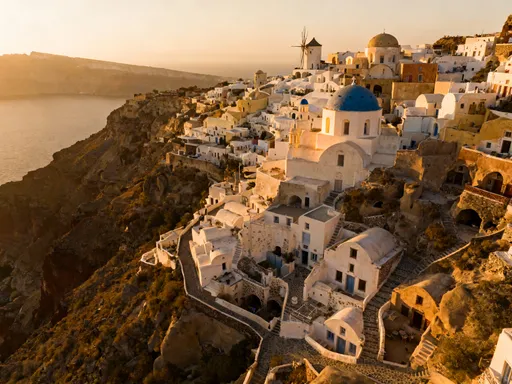
Just a short ferry ride away on Tenerife, San Cristóbal de La Laguna offers a different but equally compelling story. Designated a UNESCO World Heritage Site in 1999, La Laguna was one of the first planned cities in the Spanish colonies. Its grid layout, inspired by Renaissance urban ideals, was adapted to the island’s volcanic topography, with streets following the natural contours of the hills. This thoughtful planning maximized airflow and sunlight while providing panoramic views of the surrounding landscape. Houses climb in orderly rows, their whitewashed walls and red-tiled roofs creating a patchwork of color against the green hills.
La Laguna’s architecture reflects a deep understanding of climate and community. Central plazas serve as social hubs, while narrow side streets offer shade during the hottest hours. Many homes feature interior patios—open-air courtyards often adorned with fountains or climbing plants—that act as natural cooling systems. These spaces, once the heart of family life, continue to be used today, connecting generations through shared routines and traditions. The city’s preservation is not due to strict regulations alone but to a collective pride in identity. Residents understand that their homes are more than shelters—they are symbols of continuity in a rapidly changing world.
Canarian Houses: More Than Just Pretty Facades
The iconic image of a Canarian house—white walls, green trim, wooden balconies spilling with geraniums—is familiar to anyone who has seen promotional material for the islands. But behind this picturesque exterior lies a sophisticated system of climate-responsive design. Every element serves a purpose. The lime-washed walls, for instance, are not merely aesthetic; they reflect solar radiation, reducing heat absorption and keeping interiors cool. The thick volcanic stone used in construction acts as a thermal mass, absorbing heat during the day and releasing it slowly at night, stabilizing indoor temperatures.
Roofs are equally intentional. The traditional steeply pitched red clay tiles are designed to withstand the islands’ occasional but intense rainfall. Their slope allows water to run off quickly, preventing leaks and structural damage. Beneath them, wooden beams—often made from imported pine or native Canary Island pine—support ceilings that allow air to circulate. Many homes feature artesonado ceilings, intricately carved wooden panels that add both beauty and insulation. These details, passed down through generations, reflect a deep understanding of materials and microclimates.
Interior layouts are equally thoughtful. The central patio, or patio interior, is a hallmark of Canarian domestic architecture. Open to the sky, it functions as a natural ventilation shaft, drawing cool air from lower levels and allowing hot air to escape. In summer, the shade of the patio provides a comfortable outdoor living space; in winter, it captures sunlight, warming the surrounding rooms. Family meals, conversations, and even small celebrations often take place here, making it the emotional and functional heart of the home.
Orientation is another critical factor. Most traditional houses are positioned to face the sea, capturing cooling trade winds that sweep across the islands. Windows and balconies are strategically placed to maximize cross-ventilation while minimizing direct sun exposure. In some villages, homes are built close together, creating shaded streets that remain cool even at midday. These design strategies, developed long before the advent of air conditioning, demonstrate a profound respect for natural systems. Today, many modern architects are revisiting these principles, incorporating them into eco-friendly developments that blend tradition with innovation.
Churches and Towers: Faith Built to Last
Rising above the tree line, church towers are among the most visible features of the Canarian skyline. These structures, often constructed from local stone, are more than symbols of faith—they are monuments to endurance. The Cathedral of Santa Ana in Las Palmas, for example, took over 300 years to complete, with construction spanning from the late 15th century into the 18th. Its architecture reflects this long evolution: the lower sections are Gothic, with pointed arches and thick pillars, while upper levels display Renaissance and Neoclassical influences. This layering of styles mirrors the islands’ own complex history, shaped by waves of migration, trade, and conquest.
But these churches were not built solely for worship. In an era when piracy threatened coastal communities, bell towers served as watchtowers. Their elevated positions offered clear views of the horizon, allowing residents to spot approaching ships. Thick walls and small windows, often high above ground level, made churches some of the most defensible structures in town. In times of danger, villagers could take refuge inside, using the towers to signal neighboring settlements. This dual purpose—spiritual and strategic—speaks to the pragmatism embedded in Canarian culture.
Even smaller villages boast modest chapels perched on hilltops or cliff edges. Built from dry stone or rough-hewn lava rock, these structures blend into the landscape, their simplicity reflecting both limited resources and deep devotion. Many are dedicated to local patron saints, with feast days that remain central to community life. Inside, altars are adorned with religious statues and paintings, some dating back centuries. These spaces, though quiet for much of the year, come alive during festivals, when music, processions, and shared meals reinforce social bonds.
Today, these churches continue to shape the identity of their towns. Their presence is not merely architectural; it is emotional. For residents, they represent continuity, resilience, and a connection to ancestors who built them by hand. For visitors, they offer a chance to pause, reflect, and appreciate the quiet dignity of places that have stood for generations. In a world increasingly dominated by temporary structures, these enduring edifices remind us of the value of permanence and care.
Modern Twists: When Tradition Meets Innovation
The Canary Islands are not stuck in the past. While historic architecture remains cherished, contemporary design is thriving—often in dialogue with tradition rather than in opposition to it. This balance is most evident on Lanzarote, where the legacy of artist and architect César Manrique continues to influence building practices. Manrique, born on the island in 1919, believed that development should enhance, not disrupt, the natural landscape. His philosophy—sometimes referred to informally as “Manrique’s Law”—has become a guiding principle for sustainable design across the archipelago.
His most famous creation, Jameos del Agua, is a prime example. Built within a volcanic tunnel formed by a lava flow, the site combines natural cave formations with carefully inserted architectural elements—glass railings, concrete platforms, and a sunlit auditorium. The result is a space that feels both ancient and modern, where visitors experience the raw power of nature alongside human creativity. The structure does not dominate the landscape; it complements it, inviting contemplation rather than distraction.
This ethos extends to residential and commercial projects. On Fuerteventura, eco-resorts use passive cooling techniques inspired by traditional casonas—thick walls, shaded courtyards, and strategic orientation—to minimize energy use. Solar panels are integrated into rooftops in ways that respect the visual harmony of the surroundings. On Tenerife, architects are experimenting with recycled materials, such as crushed volcanic rock used in concrete, to reduce environmental impact while maintaining authenticity.
Even urban developments are beginning to reflect this sensibility. In newer neighborhoods, builders are incorporating green roofs, rainwater harvesting systems, and natural ventilation strategies that echo historic designs. The goal is not to replicate the past but to reinterpret it for the present. This approach resonates with environmentally conscious travelers and residents alike, offering a model of development that is both beautiful and responsible. In a time of climate uncertainty, the Canary Islands are proving that tradition and innovation can coexist—productively and gracefully.
Hidden Gems: Offbeat Structures Worth Seeking
Beyond the well-trodden paths of tourist centers lie quieter, more intimate expressions of Canarian architecture. In the interior of Fuerteventura, scattered across windswept hills, are the remains of old goat farms known as majadas. Built from dry stone without mortar, these simple structures were once shelters for shepherds and their animals. Their low profiles and natural materials allow them to blend into the terrain, nearly invisible from a distance. Though many are now in ruins, they speak to a way of life that was deeply attuned to the land—modest, sustainable, and resilient.
On Tenerife, rural paths are occasionally punctuated by hornos—small, dome-shaped ovens made of volcanic stone. Used historically for baking bread, these ovens were communal assets, often shared among several families. Their thick walls retained heat for hours, allowing multiple batches of dough to be cooked in succession. Some are still in use today, especially during local festivals, when traditional recipes are revived. Finding one in the wild feels like uncovering a forgotten ritual, a small act of cultural preservation.
Perhaps the most enduring example of vernacular architecture is the cuevas, or cave houses, found across Gran Canaria and Tenerife. Carved directly into volcanic rock, these dwellings were used by the Guanche people long before Spanish colonization. Their natural insulation keeps interiors cool in summer and warm in winter, making them remarkably energy-efficient. Today, many have been renovated and modernized, equipped with electricity and plumbing while retaining their original form. Families live in them, run guesthouses from them, and take pride in their heritage. To stay in a cueva is to experience architecture at its most elemental—carved by hand, shaped by nature, and sustained by memory.
These structures are not curated for tourists. They do not appear on every guidebook map, nor do they have information plaques. Finding them requires curiosity, a willingness to explore, and often, a conversation with a local. But the reward is a deeper connection—to place, to history, and to the quiet wisdom of those who built to last.
Traveler’s Guide: How to See the Architecture Like a Local
To truly appreciate the architecture of the Canary Islands, one must slow down. Rushing from beach to resort will miss the soul of these places. Instead, travelers are encouraged to adopt a more mindful approach. Begin in the mornings, when light falls gently on stone facades, highlighting textures and colors. Walk without a strict itinerary, allowing yourself to get lost in narrow alleys and hidden plazas. Bring a notebook to sketch details—window grilles, door knockers, tile patterns—that cameras might overlook.
Renting a car opens access to rural areas where architectural traditions remain strongest. Buses serve major towns, but only a private vehicle allows spontaneous detours to mountain villages or coastal hamlets. Download offline maps, as mobile signals can be spotty in remote zones. When possible, hire a local guide—many are historians, architects, or lifelong residents who can share stories not found in books. A simple conversation over coffee might lead to an invitation to see a private courtyard or a family-run bakery housed in a centuries-old building.
Timing matters. Visit historic districts on weekdays to avoid crowds, and consider traveling in the shoulder seasons—spring or autumn—when temperatures are mild and light is at its most poetic. Attend local festivals if possible; they often include open houses, guided tours, or demonstrations of traditional crafts. And don’t overlook the smaller islands. El Hierro, La Gomera, and La Graciosa offer purer, less-commercialized examples of Canarian design, where modern life coexists with centuries-old forms.
Finally, approach these places with respect. These are not sets for photos but homes, workplaces, and sacred spaces. Ask permission before photographing people or private properties. Support local businesses—cafes, bookshops, artisans—who keep communities alive. By engaging thoughtfully, travelers do more than observe history—they become part of its continuation.
Buildings That Breathe History
The architecture of the Canary Islands is not a backdrop to the vacation experience—it is the experience itself. Every wall, every roofline, every shaded courtyard carries the weight of history and the wisdom of adaptation. These structures were not built for spectacle but for living, shaped by sun, wind, and sea, refined by generations of trial and insight. To walk among them is to engage in a silent conversation with the past.
For the thoughtful traveler, especially one seeking meaning beyond the surface, the islands offer a rare gift: the chance to see how culture and environment can shape one another in harmony. The white-washed walls, the volcanic stone, the wooden balconies—they are not just beautiful. They are lessons in resilience, sustainability, and belonging. By noticing them, by understanding their purpose, visitors do more than sightsee. They connect. And in that connection, they leave not just with souvenirs or sunburns, but with a deeper sense of place—and perhaps, a renewed appreciation for the quiet intelligence of buildings that breathe history.