Hiking Through History: How Dubrovnik’s Public Paths Reveal the Soul of the City
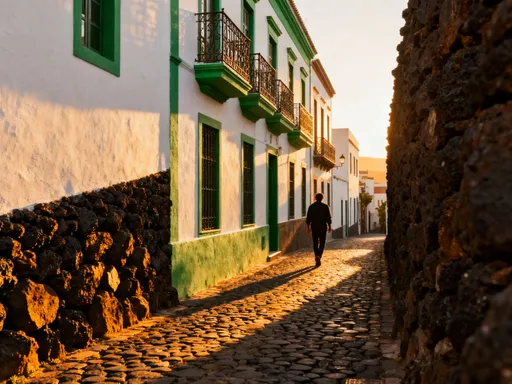
You know what? Hiking in Dubrovnik isn’t just about views—it’s a walk through living history. I never expected cobblestone trails above ancient walls to feel so alive. These public paths, carved into cliffs and centuries-old stone, connect neighborhoods, viewpoints, and local life in ways no tour bus ever could. From hidden staircases to sun-drenched seaside routes, every step reveals how space shapes community. This is urban hiking at its most authentic—and absolutely mind-blowing.
The Hidden Highways Above the Old Town
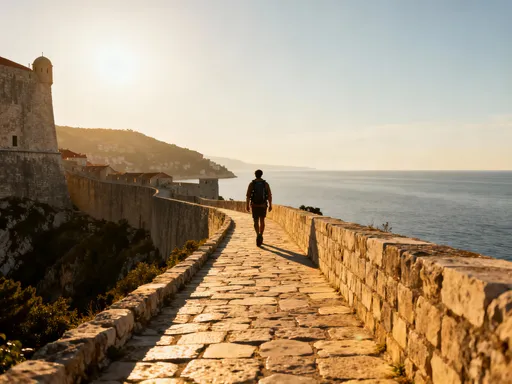
Dubrovnik’s skyline is defined by its massive stone walls, but few visitors realize that a network of elevated trails runs parallel to them, offering a quieter, more immersive way to experience the city. These paths, often tucked behind residential buildings or winding through Mediterranean scrub, form a vertical transit system that links the historic core with surrounding hills. One of the most accessible yet underused routes begins just outside Ploče Gate, where a narrow stone staircase ascends through olive groves and fragrant rosemary bushes toward the forested slopes of Mount Srd. This trail is not marked as a major tourist attraction, yet it is well-maintained, with clear signage in Croatian and English, and used daily by both joggers and elderly residents taking their morning constitutional.
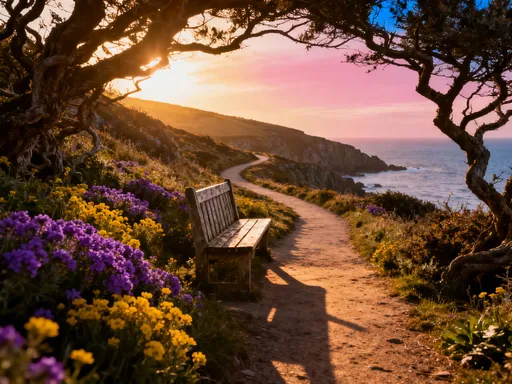
What makes this elevated corridor more than just a scenic detour is its function as a practical link between neighborhoods. Locals use it to walk from the Old Town to the Srd plateau, where they access a small church, a memorial site, and panoramic views without needing a car or the crowded cable car. The terrain varies from smooth flagstone steps to compacted dirt paths shaded by Aleppo pines, making it suitable for moderately fit hikers. Along the way, small benches are strategically placed at vantage points, inviting pause and reflection. Unlike the ticketed walk along the city walls, this public path is free, open at all hours, and integrated into the daily rhythm of urban life—proof that in Dubrovnik, hiking is not a leisure activity reserved for tourists, but a natural extension of how people move through their city.
These elevated trails also serve as green lungs amid the dense urban fabric. As Dubrovnik grapples with overtourism, especially within the UNESCO-protected Old Town, these routes help disperse foot traffic and reduce pressure on historic streets. The city has invested in maintaining these paths with drainage systems, handrails on steeper sections, and regular vegetation clearing to prevent fire hazards. Importantly, they are designed to blend into the landscape rather than dominate it—low stone walls match the local architecture, and signage is minimal but effective. This subtle integration ensures that hikers feel like explorers discovering something authentic, not participants in a staged experience. In this way, the hidden highways above Dubrovnik do more than offer views; they preserve accessibility, encourage sustainable mobility, and keep the city connected vertically as well as horizontally.
Why Urban Hiking Beats the Usual Tourist Trail
For most visitors, a trip to Dubrovnik means walking the Stradun, visiting Fort Lovrijenac, and riding the cable car to Srd. These are undeniably iconic experiences, but they often feel isolated from the city’s true character. Urban hiking, by contrast, offers a continuous, flowing encounter with Dubrovnik’s geography and culture. When you hike through public pathways, you don’t just see the city—you feel its pulse. You notice how the sea breeze changes as you move from sheltered alleys to open ridgelines, or how the sound of church bells carries differently across stone courtyards and pine forests. These sensory details create a deeper, more lasting impression than any guided tour can provide.
One morning, while walking the coastal trail between Ploče and Babin Kuk, I passed a woman watering geraniums on her balcony, a fisherman checking his lines below the cliffs, and a group of schoolchildren on a nature walk identifying local plants. These unscripted moments are rare on the main tourist routes, where interactions tend to be transactional—buying souvenirs, ordering coffee, following a guidebook list. On the hiking paths, however, you become part of the city’s daily life. You share space with residents who are not performing for visitors but simply living their lives. A man reading a newspaper on a bench, a couple walking their dog along the promenade, an elderly couple pausing to watch the sunset—these encounters humanize the city in a way that museums and monuments cannot.
Moreover, hiking allows you to understand Dubrovnik’s topography in a visceral way. The city was built on a steep coastal ridge, and walking its contours gives you a physical sense of how terrain shaped settlement patterns, defense strategies, and social organization. You realize why certain neighborhoods developed in specific locations, how water was channeled through cisterns, and how sunlight influenced building orientation. This spatial literacy transforms passive sightseeing into active discovery. Instead of checking off attractions, you begin to read the city like a map written in stone, slope, and sea. Urban hiking doesn’t replace traditional tourism—it enriches it, adding layers of meaning and connection that endure long after the trip ends.
From Gruž to Lapad: Connecting Neighborhoods on Foot
While the Old Town draws the crowds, Dubrovnik’s modern districts reveal another side of the city—one shaped by everyday life, local commerce, and coastal resilience. A long-distance walking route from Gruž Harbor to Lapad Peninsula offers a powerful illustration of how public pathways can unify a city across time and space. This approximately 7-kilometer route follows a mix of paved sidewalks, seaside boardwalks, and quiet residential streets, making it accessible to walkers of all ages and abilities. It begins at Gruž, the city’s working port, where fishing boats unload their morning catch and locals shop at the open-air market. From there, the path runs parallel to the water, passing marinas, small beaches, and family-run konobas (taverns) serving fresh seafood.
As you move westward, the urban landscape shifts gradually. The industrial edges of Gruž give way to tree-lined avenues and apartment buildings with flower-filled balconies. Children play in pocket parks, cyclists ride along dedicated lanes, and joggers follow the same route daily. The city has invested in continuous pedestrian infrastructure, including tactile paving for the visually impaired, shaded rest areas, and trash bins spaced at regular intervals. Street lighting ensures safety after dark, making the path usable not just for recreation but for commuting. This seamless connectivity reflects a long-term urban planning philosophy that prioritizes walkability and public access over car dominance.
One of the most striking aspects of this route is how it blends nature and city life. Along the Lapad coastline, a wide promenade winds through a pine forest, with wooden benches and stone lookouts offering views of the Adriatic. Families picnic on grassy clearings, teenagers gather near outdoor fitness equipment, and elderly couples stroll hand in hand. The path passes several small coves where locals swim in summer, their towels laid out on sun-warmed rocks. Unlike the manicured beaches marketed to tourists, these spots feel authentic and unpretentious—places where the community recharges. By linking Gruž to Lapad on foot, hikers gain a fuller picture of Dubrovnik: not just a historical gem, but a living, breathing city where people work, raise families, and enjoy nature every day.
Public Space as Social Glue: Benches, Stairs, and Shared Views
In Dubrovnik, public space is not an afterthought—it is carefully woven into the urban fabric through deliberate design choices that encourage interaction, rest, and shared experience. Nowhere is this more evident than in the city’s benches, staircases, and open terraces, which function as informal gathering points for residents and visitors alike. These features are not merely functional; they are social catalysts. A simple stone bench placed at the top of a steep staircase becomes a place for conversation, a moment of pause, or a spot to watch the world go by. In a city where space is limited and land values are high, these small interventions play a disproportionately large role in fostering community life.
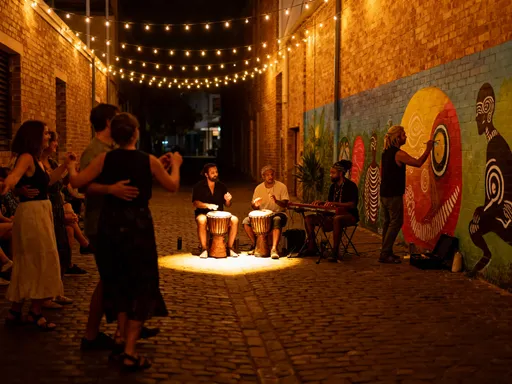
Take, for example, the series of communal staircases that connect different levels of the Old Town. These are not just vertical connectors—they are social corridors. In the early morning, neighbors greet each other as they descend to buy bread or collect mail. In the evening, families gather on landings to enjoy the cool air and chat. During festivals, these staircases become impromptu performance spaces, where music echoes off stone walls and children dance barefoot on worn steps. The design is intentionally communal: landings are wide enough to accommodate small groups, railings are low for visibility, and surfaces are textured to prevent slipping. These details reflect a deep understanding of how people use space, shaped by centuries of urban living.
Similarly, the city’s many viewing terraces—often tucked into unexpected corners—invite shared experiences. At Buža Gate, a narrow passage leads to a cliffside platform where people sit on stone ledges, feet dangling over the sea, sipping coffee from paper cups. There is no formal seating, no admission fee, no commercial activity—just a place to be. Yet it is one of the most beloved spots in the city, precisely because it belongs to everyone. These spaces do not require grand architecture or expensive maintenance; they succeed because they are accessible, comfortable, and oriented toward human connection. In a world where public spaces are increasingly privatized or surveilled, Dubrovnik’s approach offers a powerful reminder that the simplest designs can have the deepest impact.
Sustainable Access: Balancing Tourism and Local Needs
Dubrovnik faces a constant challenge: how to welcome millions of visitors each year without overwhelming its infrastructure or alienating its residents. One of the city’s most effective strategies has been the expansion and maintenance of its public hiking and walking network. By encouraging tourists to explore beyond the Old Town, these pathways help distribute foot traffic more evenly across the urban landscape. Instead of funneling everyone onto the Stradun, the city invites hikers to discover lesser-known neighborhoods, coastal trails, and hillside parks. This not only reduces congestion but also supports local businesses outside the tourist core, from family-run cafes in Lapad to small shops in Ploče.
The city has implemented several measures to support sustainable access. Signage is multilingual and consistent, with color-coded maps at key intersections showing hiking routes, public transport options, and points of interest. Lighting along major paths ensures safety at night, while trash collection and restroom facilities are regularly maintained. In recent years, the municipality has also introduced erosion control measures on popular trails, including stone retaining walls and gravel surfacing to prevent soil degradation during heavy rains. These efforts reflect a commitment to long-term stewardship, recognizing that well-maintained public spaces benefit both residents and visitors.
However, challenges remain. During peak season, some trails become crowded, particularly those leading to famous viewpoints like Mount Srd. To address this, the city has experimented with timed access recommendations and digital visitor management tools, though these are still in early stages. There is also ongoing debate about how to balance preservation with development—particularly as demand for housing and tourism infrastructure grows. Yet, the continued investment in public pathways signals a clear priority: Dubrovnik wants to remain a city for people, not just a destination for tourists. By treating hiking trails as essential urban infrastructure rather than recreational extras, the city sets an example for other historic destinations grappling with similar pressures.
The Coastal Loop: A Day Hike with Sea Breezes and City Lights
For those seeking a full-day immersion in Dubrovnik’s landscape, the Coastal Loop offers a rewarding journey that combines history, nature, and urban life. This approximately 12-kilometer route begins and ends in the Old Town, forming a figure-eight that takes hikers along seaside cliffs, through pine forests, and past residential neighborhoods. The recommended starting point is Pile Gate in the west, where the path ascends gently through a wooded area to the Lovrijenac viewpoint. From there, it follows the coastline eastward, passing secluded coves, ancient watchtowers, and private villas with walled gardens.
The trail then descends to the Banje Beach promenade, where hikers can pause for a drink or swim before continuing along the southern edge of the Old Town. The next segment climbs again—this time to the Srd trailhead—before branching off into a less-traveled path that circles the mountain’s southern slope. This section is moderately challenging, with elevation gains of about 200 meters, but the effort is rewarded with uninterrupted views of the Adriatic and the city’s red-tiled rooftops. After about two hours of hiking, the route reconnects with the main road and follows a paved sidewalk back to Gruž, then loops south through Lapad before returning to the Old Town via the coastal boardwalk.
The sensory experience of this hike is unforgettable. In spring, the air carries the scent of wild thyme and blooming broom. In summer, the sound of cicadas blends with distant waves and children laughing on the beach. The sun bakes the limestone underfoot, radiating warmth even in the late afternoon. Rest spots are plentiful: a shaded bench beneath a pine canopy, a small chapel with a view of the islands, a konoba where you can order grilled octopus and local wine. The hike typically takes 5 to 6 hours, including breaks, and can be adjusted based on fitness level—shorter versions are possible by skipping the Srd loop or starting from a midpoint. What makes the Coastal Loop special is not just the scenery, but the way it connects different facets of Dubrovnik into a single, flowing narrative. By day’s end, as the city lights flicker on and the sea darkens to indigo, hikers return not just with tired legs, but with a deeper understanding of how this place works—and why it endures.
Why Every City Should Walk Like Dubrovnik
Dubrovnik’s hiking culture offers more than just recreation—it presents a model for how cities can design for human connection, sustainability, and resilience. In an era when urban life often feels fragmented, dominated by cars, screens, and private spaces, Dubrovnik reminds us that well-planned public pathways can bring people together. These trails are not luxuries; they are essential infrastructure that supports physical health, mental well-being, and social cohesion. They allow residents to move freely, reduce reliance on vehicles, and create opportunities for spontaneous interaction. For visitors, they offer a more meaningful way to experience a city—not as consumers, but as temporary participants in its daily life.
The principles behind Dubrovnik’s success are transferable. Any city can invest in continuous, safe, and well-maintained pedestrian routes that connect neighborhoods, parks, and waterfronts. It requires political will, community input, and long-term planning—but the benefits far outweigh the costs. Walkable cities are healthier, quieter, and more equitable. They reduce pollution, increase property values, and foster a stronger sense of belonging. Around the world, movements for livable cities—from Barcelona’s superblocks to Copenhagen’s cycling networks—show that people crave spaces designed for walking, not just driving.
For the 30- to 55-year-old woman managing a household, seeking balance and meaning in everyday life, the idea of urban hiking may seem distant. But it speaks directly to her values: connection, well-being, and community. She understands the importance of shared spaces where children can play safely, where neighbors can talk, where one can walk to the market or school without fear. Dubrovnik’s example invites her to imagine what her own city could become—with better sidewalks, more green corridors, and public benches that say, “Stay awhile.” Hiking, in this sense, is not just a pastime. It is an act of civic engagement, a quiet affirmation that cities should serve people first. And that is a journey worth taking—wherever you live.