You Won’t Believe Lombok’s Urban Pulse — This Island Just Changed the Game
When you think of Lombok, Indonesia, chances are you picture pristine beaches and jungle trails. But there’s a vibrant urban heartbeat pulsing beneath the surface. I didn’t expect to find edgy street art, buzzing local markets, and modern co-working hubs on a tropical island. Yet here they are — raw, real, and rapidly evolving. Lombok’s urban spaces are quietly going viral, blending tradition with contemporary flair in ways that surprise even seasoned travelers. This shift isn’t just cosmetic; it reflects a deeper transformation rooted in youth energy, cultural pride, and smart urban planning. The island is no longer just a backdrop for escape — it’s becoming a living canvas of innovation, identity, and community-driven change.
Rethinking Lombok: Beyond Beaches and Mountains
Lombok has long been celebrated as a quieter sibling to Bali, known for its unspoiled coastlines, the majestic Mount Rinjani, and the serene Gili Islands. For decades, tourism narratives have focused almost exclusively on nature-based experiences — diving in turquoise waters, hiking through emerald forests, or unwinding in beachfront bungalows. While these attractions remain deeply compelling, they only tell part of the story. Beneath this well-worn postcard image lies an emerging urban reality that’s reshaping how both locals and visitors engage with the island. Mataram, the provincial capital, and its neighboring district of Cakranegara are at the heart of this quiet revolution, where tradition meets transformation in unexpected and inspiring ways.
The perception of Lombok as purely a rural or natural escape is increasingly outdated. A new generation of Sasak youth — the island’s indigenous ethnic group — is redefining what it means to live, work, and create in Lombok’s cities. Fueled by improved internet access, mobile technology, and greater educational opportunities, young entrepreneurs, artists, and urban planners are breathing fresh life into once-overlooked neighborhoods. What was once seen as merely a transit point between beaches is now being recognized as a cultural hub in its own right. Markets buzz with innovation, alleyways double as open-air galleries, and community spaces are being revitalized with purpose and pride.
This evolution is not happening in isolation. Infrastructure development across the island has played a crucial role in enabling urban growth. The expansion of Lombok International Airport, the improvement of road networks, and the rollout of digital connectivity have made the island more accessible than ever before. These changes have not only boosted tourism but also empowered local businesses to thrive. Ride-hailing apps now operate reliably in Mataram, making mobility easier for residents and visitors alike. Public spaces are being redesigned with walkability and greenery in mind, reflecting a growing awareness of sustainable urban living. The result is a more dynamic, connected, and confident urban environment that invites deeper exploration.
What makes this transformation particularly compelling is its organic nature. Unlike some destinations where urban development is driven primarily by foreign investment or mass tourism, Lombok’s evolution feels locally rooted. It’s shaped by people who live here, care about their heritage, and want to see their cities flourish on their own terms. Street vendors still line the sidewalks, selling traditional snacks like pelecing kangkung and nasi balap puyung, while nearby, young designers open concept stores featuring handwoven songket fabrics updated for modern tastes. This balance between continuity and change gives Lombok’s urban areas a unique authenticity that resonates deeply with those who take the time to look beyond the surface.
Mataram’s Transformation: Tradition Meets Modern Flow
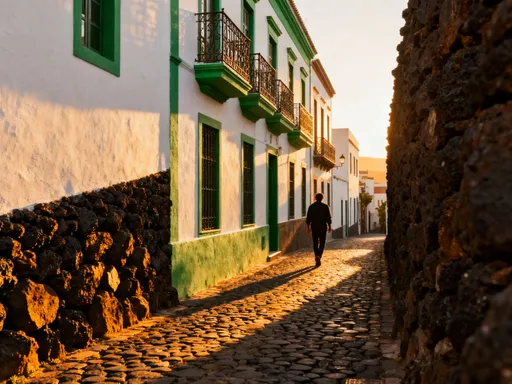
Mataram, though modest in size compared to Indonesia’s major metropolises, is undergoing a quiet but profound metamorphosis. Once regarded mainly as an administrative center with little tourist appeal, the city is now emerging as a cultural crossroads where the rhythms of daily life blend seamlessly with creative renewal. Its streets tell stories — of resilience, adaptation, and quiet pride. From the morning call to prayer echoing across neighborhoods to the evening bustle of food carts lighting up side streets, Mataram pulses with a steady, grounded energy. It’s a city that doesn’t shout, but speaks in subtle tones — through architecture, movement, and the warmth of its people.
One of the most striking features of Mataram’s urban landscape is the way it honors its roots while embracing modernity. In places like Mayura Park, visitors encounter a harmonious blend of history and recreation. Once a royal garden of the Karangasem-Bali dynasty, the site now serves as a public green space where families gather, children play, and elders practice tai chi at dawn. The park’s ponds, pavilions, and stone sculptures remain carefully preserved, standing as a testament to Lombok’s layered past. At the same time, nearby developments incorporate contemporary design elements without overshadowing traditional aesthetics. Low-rise buildings with sloping roofs and wooden carvings echo Sasak architectural principles, ensuring that new construction feels like a continuation rather than a disruption.
The Pekerongan area, historically a commercial hub, exemplifies this fusion even more vividly. Once dominated by small textile shops and family-run stores, Pekerongan has evolved into a lively district where fashion, food, and culture intersect. Local boutiques now showcase modern interpretations of traditional clothing, blending intricate weaving techniques with minimalist silhouettes. Cafés with sleek interiors serve locally grown coffee alongside classic Sasak desserts, creating spaces where young professionals can meet, work, and socialize. Despite these changes, the neighborhood retains its human scale and intimate feel. Foot traffic remains high, not because of tourist crowds, but because locals continue to live, shop, and socialize here — a sign of genuine urban vitality.
Daily life in Mataram unfolds at a rhythm that feels both familiar and refreshing. Morning markets overflow with fresh produce, spices, and handmade crafts, drawing housewives, chefs, and curious travelers alike. Street vendors prepare satay and lontong with practiced ease, their carts becoming impromptu gathering spots. In the afternoons, students cycle home from school, their uniforms bright against the muted tones of weathered buildings. By evening, the city takes on a softer glow — mosques illuminate quiet corners, families dine outdoors, and the air fills with the scent of grilled fish and lemongrass. This unscripted authenticity is what makes Mataram so compelling: it doesn’t perform for outsiders; it simply lives.
Street Culture Rising: Art, Food, and Local Voice
If Mataram is the steady pulse of Lombok’s urban life, then its street culture is the spark that brings it to life. Across the city and in surrounding towns, a grassroots creative movement is gaining momentum — one that is self-organized, deeply local, and refreshingly free of commercial pretense. Murals now grace once-dull walls, depicting everything from ancestral spirits to modern-day heroes. Pop-up art exhibitions appear in vacant storefronts, transforming neglected spaces into vibrant community galleries. Music festivals, poetry readings, and craft bazaars animate public squares, drawing crowds of all ages and backgrounds. This cultural renaissance isn’t happening in elite institutions; it’s unfolding on sidewalks, in alleyways, and in the hearts of those who call Lombok home.
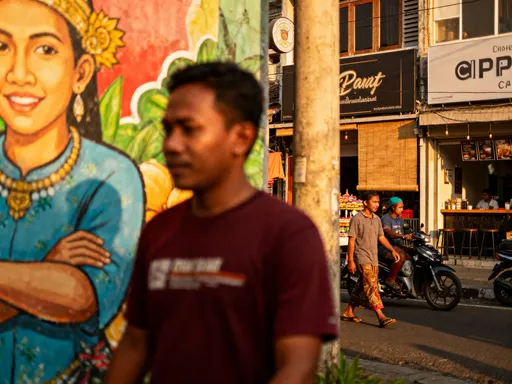
One of the most visible expressions of this movement is street art. Young artists, many trained locally or through digital learning platforms, are using spray paint and stencils to tell stories that matter. Themes range from environmental awareness to cultural preservation, often infused with symbolic motifs from Sasak folklore. A mural in Cakranegara might feature a guardian spirit watching over a modern cityscape, or a child holding a book beneath a blooming frangipani tree — gentle reminders of heritage and hope. These works are not commissioned by tourism boards or developers; they emerge from community initiatives, often funded through small donations or volunteer labor. Their impermanence — some lasting only weeks before being painted over — adds to their authenticity, reflecting the transient yet powerful nature of urban expression.
Equally significant is the rise of culinary creativity in Lombok’s urban centers. While traditional dishes remain beloved staples, a new wave of food entrepreneurs is reimagining local flavors with modern presentation and global influences. Night markets, once focused solely on affordability and convenience, now offer curated experiences. Visitors can sample fusion dishes like sate rembiga tacos, tempeh burgers with sambal aioli, or coconut milk-based smoothie bowls topped with jackfruit and toasted kelapa. These innovations don’t erase tradition; they celebrate it by making it accessible to younger generations and curious outsiders. Behind every stall is a story — of a grandmother’s recipe, a family’s migration, or a dream of building a sustainable business.
Cafés have become central to this cultural shift, functioning as more than just places to drink coffee. They serve as informal meeting points, co-working spaces, and performance venues. Many are designed with intention — using reclaimed wood, natural lighting, and open layouts to foster connection. Some host weekly poetry slams or acoustic nights, while others partner with local NGOs to raise awareness about education or environmental issues. The atmosphere is inclusive, never exclusive. You’ll see students studying, artists sketching, and mothers catching up over sweet iced tea. These spaces reflect a broader desire for meaningful engagement — not just consumption — in urban life.
Why Urban Lombok is Going Viral (And Deserves Your Attention)
It’s no accident that images of Lombok’s urban scenes are spreading rapidly across social media. Platforms like Instagram and TikTok have become powerful amplifiers for this quiet transformation, allowing locals to share their city with the world on their own terms. What captures attention isn’t grand spectacle, but intimate moments — a close-up of a hand-painted mural, a time-lapse of a night market coming alive, a rooftop view of the city at golden hour. These snapshots resonate because they feel real. They don’t conform to the polished aesthetics of influencer marketing; instead, they offer glimpses into everyday beauty, creativity, and resilience.
One reason for this digital momentum is the visual richness of Lombok’s urban spaces. Colorful alleyways, textured walls, and vibrant textiles create naturally photogenic backdrops. Rooftop cafés offer panoramic views of the city framed by distant mountains and ocean haze. Fusion dishes are plated with artistic care, making them ideal for sharing. But beyond aesthetics, what truly drives engagement is authenticity. Viewers can sense that these moments aren’t staged for tourism — they’re part of lived reality. Hashtags like #UrbanLombok and #MataramCreative are gaining traction among Indonesian urban explorers, creating a growing online community that celebrates local pride and discovery.
This visibility is having a tangible impact. As more people see Lombok’s cities through the eyes of residents, perceptions are shifting. Travelers are beginning to plan visits that include urban experiences alongside beach days. Some are seeking out cultural walking tours, artisan workshops, or cooking classes with local families. This shift benefits not only the tourism economy but also local self-esteem. When young artists see their murals shared widely, when vendors receive recognition for their recipes, it reinforces a sense of value and belonging. It signals that their city matters — not just as a transit point, but as a destination in its own right.
Importantly, this digital exposure is fostering interest in sustainable and responsible tourism. Many of the content creators highlighting urban Lombok are also advocates for environmental protection, cultural preservation, and community empowerment. Their posts often include messages about reducing plastic waste, supporting local businesses, or respecting sacred sites. As a result, the audience they attract tends to be more mindful — travelers who seek connection over convenience, depth over decoration. This creates a positive feedback loop: authentic content draws conscious visitors, whose presence in turn supports the very culture being celebrated.
Navigating the Urban Landscape: A Practical Traveler’s Lens
For visitors eager to explore Lombok’s urban centers, the experience can be deeply rewarding — provided it’s approached with respect and preparation. Unlike resort zones designed for tourist convenience, Mataram and Cakranegara operate on local rhythms and norms. Understanding these nuances enhances both safety and enjoyment. The good news is that infrastructure has improved significantly in recent years, making navigation easier than ever before. Ride-hailing apps like Grab and Gojek are widely available, offering reliable transportation for those unfamiliar with the layout. For the more adventurous, renting a bicycle or walking allows for closer observation of street life, though hydration and sun protection remain essential, especially during midday hours.
One of the best ways to experience urban Lombok is by aligning visits with local events. Traditional markets often operate on rotating schedules — some busiest on certain days of the week, others tied to lunar cycles or religious observances. Planning a trip around these rhythms ensures a livelier, more immersive experience. Cultural festivals, such as the annual Sasak Heritage Week, bring together music, dance, and craft demonstrations in central plazas, offering rare opportunities to engage with living traditions. Checking local community boards or social media pages in advance can help identify upcoming gatherings, many of which are open to respectful visitors.
When exploring on foot, certain routes offer particularly rich experiences. A morning walk through the traditional market in Cakranegara reveals the island’s agricultural abundance — baskets of turmeric, ginger, and chili; trays of fresh fish; pyramids of tropical fruit. Later, a stroll through the university district showcases youthful energy, with students debating under shade trees and indie music drifting from campus cafés. In the evenings, the area around Ampenan Beach comes alive with food carts and casual seating, where families gather to enjoy sea breezes and simple meals. These moments of ordinary beauty are often the most memorable.
Travelers should also be mindful of cultural etiquette. While Lombok is increasingly cosmopolitan, it remains a predominantly Muslim and conservative society in many respects. Dressing modestly, especially when visiting mosques or residential neighborhoods, shows respect. Removing shoes before entering homes or certain shops is customary. Public displays of affection are uncommon and best avoided. Tipping is not expected but appreciated in restaurants and for guides. Most importantly, approaching interactions with humility and curiosity goes a long way. A simple greeting like “Selamat pagi” (good morning) or a smile can open doors to meaningful exchanges.
Balancing Growth and Identity: The Future of Lombok’s Cities
As Lombok’s urban areas gain recognition, a critical question emerges: how can growth be managed without erasing the very qualities that make these places special? The risk of overdevelopment — unchecked construction, traffic congestion, cultural dilution — is real, as seen in other parts of Indonesia where rapid tourism expansion has led to environmental and social strain. Yet in Lombok, there are encouraging signs of thoughtful planning and community-led stewardship. Local governments, in collaboration with NGOs and academic institutions, are beginning to prioritize sustainable urban development. Initiatives include expanding green spaces, creating pedestrian-friendly zones, and enforcing heritage conservation guidelines.
One notable effort is the revitalization of Ampenan’s historic waterfront. Once neglected and polluted, the area is being transformed into a public promenade with shaded walkways, native landscaping, and designated zones for vendors and performers. The project emphasizes environmental restoration, including mangrove replanting and waste management improvements. Crucially, it also involves local residents in decision-making, ensuring that development serves community needs rather than external interests. Similar projects are underway in Mataram, where underutilized lots are being converted into pocket parks and community gardens, fostering both ecological and social resilience.
Preserving cultural identity is another key focus. Efforts to document and promote traditional crafts, music, and oral histories are gaining momentum. Schools and cultural centers now offer workshops in weaving, gamelan music, and traditional storytelling, ensuring that younger generations remain connected to their roots. Urban planning policies are increasingly requiring that new buildings incorporate elements of Sasak design, maintaining visual continuity across the cityscape. These measures help prevent the homogenization that often accompanies modernization, allowing Lombok to evolve without losing its soul.
Travelers, too, have a role to play in supporting this balance. Choosing locally owned accommodations, dining at family-run warungs, and purchasing handmade goods directly from artisans all contribute to equitable economic growth. Avoiding large chain developments or all-inclusive resorts that funnel profits abroad helps keep wealth within the community. Participating in volunteer programs or cultural exchanges, when offered through reputable organizations, can deepen understanding and foster mutual respect. Ultimately, responsible urban tourism isn’t about minimizing impact — it’s about maximizing positive contribution.
Conclusion: Lombok’s Urban Soul — A Quiet Revolution Worth Witnessing
Discovering Lombok’s urban pulse is more than a travel revelation — it’s a reminder of what meaningful exploration can be. It challenges the notion that paradise exists only in untouched nature or isolated beaches. True richness often lies in the places where people live, create, and adapt — in the rhythm of a marketplace, the brushstroke of a mural, the laughter shared over street food. Lombok’s cities are not perfect, nor are they trying to be. They are alive, evolving, and deeply human. To witness them is to engage with a different kind of beauty — one built on resilience, identity, and quiet determination.
This transformation invites travelers to reconsider their role. Instead of passive observers, we can become active participants — listeners, learners, supporters. Curiosity becomes a bridge; respect becomes a practice. When we choose to see cities not as waystations but as destinations, we honor the full complexity of a place. We acknowledge that culture is not frozen in tradition, but flows through contemporary life in dynamic ways. Lombok’s urban journey reflects a universal truth: progress and preservation can coexist when guided by community values and thoughtful stewardship.
So the next time you plan a trip to Indonesia, look beyond the postcard. Step into the streets of Mataram, wander the alleys of Cakranegara, sip coffee in a locally owned café, and let the city speak to you. You might just find that the most unforgettable moments aren’t the ones you expected, but the ones you discovered by simply paying attention. Lombok’s urban soul is not loud or flashy — it’s subtle, steady, and deeply moving. And it’s waiting to be seen.