You Won’t Believe These Sapporo Spots Where Food and Views Collide
Sapporo isn’t just about snow festivals and ramen—it’s a visual feast waiting to be captured. I wandered through bustling markets, quiet alleys, and mountain overlooks, discovering places where every bite tells a story and every frame feels like a postcard. From steaming bowls of miso ramen to golden-hour shots over the city, Sapporo blends flavor and scenery like nowhere else. The way light dances across a bowl of fresh uni, or how steam curls from a roadside snack on a winter evening—these are moments that linger long after the camera is put away. This is real, raw, and absolutely worth your lens.
Framing Flavors: Why Sapporo’s Cuisine Makes Perfect Photo Moments
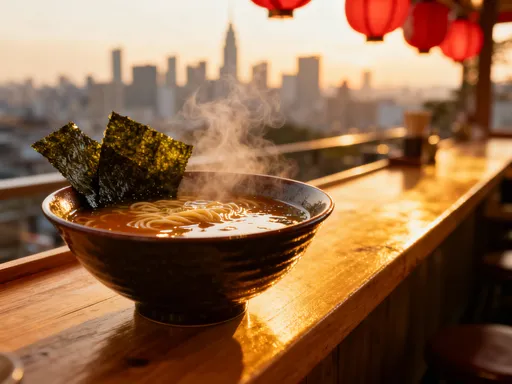
Sapporo’s food culture offers more than taste—it delivers visual poetry. Each dish carries texture, contrast, and warmth that translate beautifully through the lens. Miso ramen, the city’s most iconic export, is a masterclass in composition: rich amber broth swirls beneath a snowcap of butter, crowned with corn, bean sprouts, and tender slices of chashu pork. The steam rising from the bowl creates a natural soft focus, adding depth and movement to still images. When photographed in a traditional ramen alley under warm pendant lighting, the scene becomes immersive—inviting viewers not just to look, but to imagine the aroma and heat.
What sets Sapporo apart is how deeply food is woven into daily life and visual storytelling. Unlike staged culinary displays, the city’s most photogenic moments happen organically—in crowded stalls, at picnic tables, on winter sidewalks. Grilled seafood skewers glisten with miso glaze, their charred edges catching the glow of lanterns. Silky cubes of milk pudding tremble slightly when set down, their pristine white surface reflecting overhead lights like a mirror. These are not merely dishes; they are experiences captured in time, where flavor and form exist in harmony.
Lighting plays a crucial role in elevating food photography here. Morning light filters into markets, illuminating rows of glistening sea urchin and plump scallops. At dusk, neon signs cast colorful reflections on noodle shop windows, creating vibrant backdrops for street eats. Even the snow-covered streets act as natural reflectors, bouncing soft light upward and eliminating harsh shadows. For photographers, this means minimal equipment is needed to achieve striking results. A smartphone with good dynamic range can capture the golden sheen of a freshly grilled scallop or the delicate translucence of sashimi sliced to order.
Ultimately, eating is not separate from photographing in Sapporo—it is part of the visual journey. The act of breaking open a crab croquette, watching molten cheese spill out, or stirring butter into a hot bowl of ramen adds narrative to the image. These micro-moments, when framed thoughtfully, tell richer stories than any posed plating ever could. In Sapporo, flavor guides the lens, and every meal becomes an opportunity for authentic, heartfelt photography.
Odori Park & Sapporo TV Tower: Urban Backdrop Meets Street Food Charm
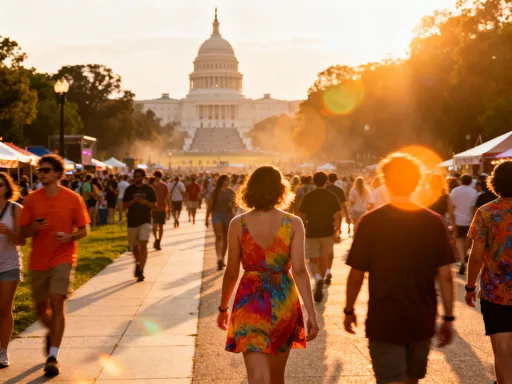
At the heart of Sapporo lies Odori Park, a long, green ribbon stretching across the city center, flanked by modern buildings and anchored by the iconic Sapporo TV Tower. This landmark is more than just a viewing platform—it’s a living stage where urban energy, seasonal events, and street food converge. Whether blanketed in snow during the famous Winter Festival or blooming with flowers in summer, Odori Park offers a dynamic backdrop for both sightseeing and culinary exploration. The tower’s steel frame rises like a sentinel, its observation deck providing sweeping views, while at ground level, food trucks and temporary stalls serve up local favorites under strings of glowing lights.
During the annual Snow Festival, the park transforms into a wonderland of ice sculptures and illuminated domes, drawing thousands of visitors each night. Amid the frozen artistry, vendors serve warm, handheld treats—perfect for photography between bites. Yaki-imonyaki, or roasted sweet potatoes wrapped in foil, are a winter staple. Their smoky-sweet aroma fills the air as vendors unwrap them to reveal golden, caramelized flesh. Captured against the backdrop of the TV Tower’s silhouette, these simple snacks become symbols of comfort and warmth. The contrast between the cold, glittering snow and the steam rising from open food carts creates a cinematic atmosphere, ideal for candid shots of locals and tourists alike enjoying the season.
Even outside festival seasons, Odori Park retains its charm. Summer nights bring the Yosakoi Soran Festival, where dancers in vibrant costumes perform to rhythmic music, while food stalls offer grilled scallops, takoyaki, and cold beer. The park buzzes with energy, and the lighting shifts from daylight to soft artificial glows, offering photographers a range of moods to capture. The TV Tower, lit in changing colors, serves as a consistent focal point. For the best natural light, early morning visits provide quiet, crowd-free conditions, with soft, even illumination across the park. Late afternoon offers golden hour light, which bathes the tower in warm tones and casts long shadows across the grass, perfect for silhouette shots and lifestyle photography.
Photographers should consider timing their visits around seasonal events to maximize visual variety. Early arrival ensures unobstructed views and fewer crowds, while evening visits reveal the city’s transformation into a sea of lights. The combination of architecture, green space, and culinary activity makes Odori Park a microcosm of Sapporo itself—a place where nature, culture, and flavor coexist in perfect balance.
Nijo Market: A Morning Burst of Color, Sound, and Sizzle
No visit to Sapporo is complete without an early morning pilgrimage to Nijo Market, a bustling hub of fresh seafood, local produce, and handmade delicacies. Open since the early 20th century, this market remains a cornerstone of the city’s culinary identity. From the moment you step inside, the air is thick with the scent of salt, grilled fish, and miso soup. Stalls overflow with glistening uni (sea urchin), plump crab legs, and rows of gyoza ready to be pan-fried. The sensory overload is immediate—vendors call out specials, knives chop rhythmically on wooden boards, and steam rises from hot food counters where customers eat standing up, chopsticks in hand.
For photographers, Nijo Market is a treasure trove of authentic moments. The vibrant colors of fresh seafood—deep orange salmon roe, emerald-green nori, and the deep crimson of raw tuna—create natural palettes that pop in photos. A close-up of a vendor cracking open a live scallop reveals the iridescent sheen of the meat, still glistening with seawater. The texture of grilled squid, slightly charred and curled at the edges, tells a story of fire and craftsmanship. These are not staged scenes; they are real, unfiltered slices of daily life, rich with movement and meaning.
One of the most photogenic experiences is eating on the spot. Sitting at a tiny counter with a warm bowl of kaisendon (seafood rice bowl), you can frame a shot of a fishmonger in the background, knife mid-slice, as he prepares the next serving of uni. The contrast between the stillness of the diner and the motion of the vendor creates visual tension and narrative depth. Even simple acts—like biting into a hot crab croquette, its golden shell giving way to creamy filling—become compelling subjects when captured in context.
To make the most of a visit, arrive early—between 8:00 and 9:30 a.m.—when the market is lively but not overcrowded. Natural light filters through the high windows, illuminating the stalls without harsh glare. Use a fast lens or smartphone with portrait mode to isolate subjects against busy backgrounds. Respect vendors by asking before photographing them directly, though many are accustomed to tourists and may smile or pose naturally. The key is to blend in, observe, and wait for those unscripted moments—like a grandmother carefully selecting scallops or a chef flipping gyoza in a sizzling pan. These are the images that carry soul.
Sapporo Beer Garden: Where Heritage Meets Hearty Plates and Golden Hour Light
Steeped in history and flavor, the Sapporo Beer Garden is a must-visit destination that seamlessly blends heritage, cuisine, and photography. Housed in the original 1876 brewery building—a red-brick structure that exudes old-world charm—the garden offers a spacious outdoor dining area where visitors gather under string lights and leafy trees. This is the birthplace of Sapporo beer, and the pride in craftsmanship is evident in every pour. The menu centers around hearty Hokkaido specialties, most notably jingisukan, a grilled lamb dish cooked on a dome-shaped skillet that evokes the shape of Genghis Khan’s helmet—hence the name.
Jingisukan is as photogenic as it is delicious. Thin slices of marinated lamb sizzle over the convex grill, fat dripping into the moat-like edge where vegetables like bell peppers, onions, and mushrooms soak up the flavorful juices. The contrast of pink meat against colorful vegetables, all set against the dark metal of the grill, creates a dynamic composition. When photographed during golden hour—the hour before sunset—the warm, low sunlight bathes the entire courtyard in a soft, amber glow. This natural lighting enhances textures, deepens colors, and eliminates the need for flash, resulting in images that feel organic and inviting.
The atmosphere is communal and relaxed. Long tables fill with families, friends, and solo travelers, all sharing platters of grilled meat and frosty mugs of Yebisu or Sapporo Black Label. The laughter, clinking glasses, and sizzle of meat offer a rich auditory backdrop that translates into visual energy. For photographers, this is an ideal setting for lifestyle shots—candid moments of connection, celebration, and indulgence. A well-composed image might capture a hand lifting a beer mug against the red-brick wall, or a close-up of grilled lamb being sliced, juices glistening under the fading light.
Visitors can also tour the adjacent Sapporo Beer Museum, which traces the brewery’s history and showcases vintage equipment. While the museum itself offers interesting photo opportunities—especially the old fermentation tanks and archival photos—the real magic happens outside, as twilight settles and the garden lights come on. The transition from day to night provides a natural progression of lighting conditions, allowing photographers to capture a full range of moods. Whether focusing on food, people, or architecture, the Sapporo Beer Garden offers a rare blend of authenticity, beauty, and flavor.
Mount Moiwa Ropeway: Nightscapes, Lights, and a Sweet Snack Reward
For one of the most breathtaking views in Hokkaido, the Mount Moiwa Ropeway delivers an unforgettable experience—especially after dark. The cable car ascends 531 meters above sea level, winding through forested slopes until it reaches the summit observatory. As the city shrinks below, the panorama unfolds: a glittering expanse of lights stretching to the horizon, often described as a “million-dollar view.” On clear nights, the cityscape resembles a circuit board of glowing lines and clusters, with distant mountains forming a dark silhouette against the starry sky. This is a premier destination for night photography, offering wide-angle vistas and intimate cityscapes alike.
The journey itself is part of the appeal. Inside the ropeway cabin, passengers press against the glass, phones and cameras in hand, capturing the gradual transformation of the landscape. The lighting inside the cabin is dim, requiring a steady hand or tripod for sharp images, but the views are worth the effort. Arriving at the top, visitors step into a quiet, elevated world—crisp air, minimal noise, and an overwhelming sense of scale. The observatory features multiple viewing platforms, each offering different angles. The south deck provides the most iconic shot, framing the city in a sweeping arc, while the east side captures reflections on Ishikari Bay.
What makes this experience even more memorable is the small detail: warm melonpan sold by vendors at the base station. These sweet, crusty buns, slightly crisp on the outside and soft within, are perfect for holding in gloved hands during the winter ascent. Photographers can include them in candid shots—steaming slightly in the cold air, held beside a frost-kissed window, or shared between companions. The contrast of warmth and cold, sweetness and crispness, mirrors the broader theme of Sapporo itself: a city that balances indulgence with natural beauty.
For optimal visibility, visit during winter or early spring when the air is clearest. Summer can bring fog or haze, reducing contrast in night shots. Clear, dry nights after a snowfall offer the sharpest views, with snow-covered trees adding texture to foreground compositions. A tripod, remote shutter, or smartphone with night mode is recommended for long-exposure shots. Even without advanced gear, the view remains awe-inspiring—proof that some moments transcend technical perfection and speak directly to the heart.
Susukino After Dark: Neon, Noodles, and Authentic Urban Energy
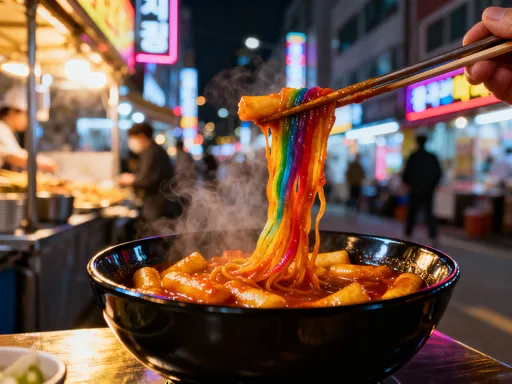
Susukino, Sapporo’s most vibrant entertainment district, comes alive as the sun sets. Known for its dense concentration of restaurants, bars, and neon signs, this neighborhood pulses with energy. At night, the streets reflect a kaleidoscope of colors—pink, blue, and gold lights bounce off wet pavement after a rain, creating mirror-like surfaces ideal for reflections. This is not a quiet, contemplative corner of the city; it is loud, fast, and unapologetically alive. For photographers, Susukino offers a rich tapestry of urban life, where food, light, and motion intersect in compelling ways.
The culinary scene here is centered around izakayas and ramen shops, many with open kitchens where chefs work with rhythmic precision. One of the most photogenic sights is a ramen chef pulling noodles mid-air, stretching the dough with practiced hands before plunging it into boiling water. The steam, the focused expression, the red apron against a tiled backdrop—these elements combine into a powerful visual narrative. Inside, diners huddle over steaming bowls, faces lit by the warm glow of pendant lights. Capturing these moments requires patience and discretion, but the results are deeply human: stories of warmth, community, and comfort in the middle of a bustling city.
For night photography, slow shutter settings can create stunning effects—light trails from passing cars, blurred motion of pedestrians, and the soft glow of signage blending into a dreamlike haze. A shutter speed of 1/15 to 1 second can transform a simple street scene into an impressionistic painting of light and color. However, it’s important to remain respectful of personal space and local etiquette. Avoid using flash in crowded areas, and never photograph individuals without permission. The goal is to document the atmosphere, not invade privacy.
Despite its size, Susukino retains a neighborhood feel. Locals frequent the same bars and stalls, greeting vendors by name. This sense of familiarity adds authenticity to every frame. Whether shooting a close-up of glistening tantanmen or a wide shot of the district’s neon skyline, the key is to embrace the chaos and find order within it. In Susukino, beauty isn’t polished—it’s found in the flicker of a sign, the steam from a noodle bowl, and the laughter echoing down a narrow alley.
Beyond the City: Otaru’s Canal Path and Fresh Sushi Stops
A short 30-minute train ride from Sapporo lies Otaru, a coastal town that feels like a step back in time. Known for its well-preserved 19th-century canal, gaslit streets, and artisan shops, Otaru offers a quieter, more nostalgic counterpoint to Sapporo’s urban pace. The Otaru Canal, once a hub of shipping activity, now serves as a serene walking path lined with stone warehouses converted into museums, cafes, and glassblowing studios. At sunrise, the water reflects the soft pink and gold hues of the morning sky, creating a tranquil scene perfect for photography. The stillness, the mist rising off the water, and the occasional chime of a distant bell create a meditative atmosphere.
But Otaru is not just about scenery—it’s a destination for fresh, high-quality seafood. Along the canal and in the nearby sushi alleys, small sushiya (sushi restaurants) serve some of the best nigiri in Hokkaido. Here, salmon roe bursts with briny richness, scallops are sweet and buttery, and squid is so fresh it practically melts on the tongue. A single piece of ikura nigiri, glistening like orange jewels on a bed of vinegared rice, is as visually striking as it is delicious. Photographed on a dark wooden counter with soft side lighting, it becomes a study in color, texture, and simplicity.
One of the most charming experiences is visiting a tiny sushi counter where the chef prepares each piece to order. The intimacy of the setting—often just six seats facing the counter—allows for close-up shots of hands shaping rice, brushing on nikiri glaze, or placing a delicate slice of tuna. These moments, when captured respectfully, convey the artistry behind every bite. Pairing the meal with a view of the canal enhances the experience, blending food and landscape into a single narrative.
For photographers, Otaru offers a chance to slow down and refine their approach. The soft morning light, the symmetry of the canal, and the muted color palette encourage minimalism and intentionality. A wide-angle shot of the canal at dawn, with a single figure walking along the path, or a close-up of steam rising from a bowl of miso soup in a quiet café—these are images that speak of peace, tradition, and quiet joy. By combining a day trip to Otaru with Sapporo’s urban energy, travelers gain a fuller, more layered understanding of Hokkaido’s culinary and visual landscape.
Conclusion
Sapporo proves that great photos don’t come from posing—they emerge from living the moment, tasting boldly, and letting flavors guide your lens. It’s not just what you see, but what you savor along the way. From the sizzle of jingisukan under golden light to the silent sparkle of city lights from Mount Moiwa, each experience adds depth to your visual story. The steaming ramen in a midnight alley, the first bite of uni at Nijo Market, the warm melonpan held in cold hands—these are the details that make a journey unforgettable. Sapporo invites you to eat with your eyes and photograph with your heart. When food and views collide, what you capture isn’t just a picture. It’s a memory, alive with flavor, light, and life.