You Won’t Believe These Hidden Natural Wonders Near Bridgetown
When I first arrived in Bridgetown, Barbados, I expected sun, sand, and rum shops. But what I found were jaw-dropping natural secrets just beyond the city buzz—lush gullies, wild coastal trails, and crystal-clear tide pools. These hidden wonders aren’t on every tourist map, but they’re absolutely real. Let me take you off the beaten path to experience the raw, untouched beauty of Barbados’ best-kept natural escapes. Just minutes from the capital’s bustling streets lie landscapes that feel worlds away: emerald ravines humming with life, wind-carved cliffs standing guard over the Atlantic, and quiet pools shaped by tides and time. This is not the Barbados of brochures—it’s the one locals cherish, where nature speaks louder than crowds.
Beyond the Postcard: Bridgetown’s Wild Side
Bridgetown pulses with energy—markets brim with fresh fruit, scooters zip through historic streets, and the scent of fried fish lingers in the air. Yet within a 20-minute drive, the rhythm shifts. The city’s edge gives way to rolling hills, dry forests, and coastal bluffs where few footprints remain. This contrast defines Barbados’ true character: a polished capital gently cradling wild, unspoiled nature. The island’s coral limestone foundation, shaped over millennia by wind and sea, creates pockets of biodiversity often missed by those who never stray from the resort zones.
These hidden natural spaces exist not by accident, but by a quiet cultural understanding. Many Barbadians view certain areas as sanctuaries—places for reflection, family outings, or simply breathing in the island’s soul. There’s pride in knowing spots that aren’t advertised, where nature remains undisturbed by commercial development. Local preservation isn’t always formal; it’s often passed down through generations who hike the same trails, swim in the same pools, and teach their children to respect the land.
Imagine standing beneath a canopy of sea grape trees, their broad leaves rustling like parchment in the trade winds. Below, the ocean crashes against ancient rock formations, sending up sprays of salt mist. In the distance, a green monkey leaps between branches, unseen by most visitors. These moments aren’t staged—they’re part of a living, breathing landscape just beyond the urban perimeter. The proximity is astonishing: you can sip coffee in Bridgetown and, before lunch, be walking through a valley where the only sounds are birdsong and rustling foliage.
Hackleton’s Cliff and the Northern Mystery
Just northeast of Bridgetown, in the parish of St. Thomas, lies one of the island’s most breathtaking yet under-visited viewpoints—Hackleton’s Cliff. Perched over 700 feet above sea level, this dramatic overlook offers panoramic views of the Atlantic’s endless blue. Unlike the crowded beaches, this spot remains serene, visited more by locals on morning walks than by tour groups. The cliff is part of a coral limestone ridge formed over thousands of years, its porous rock layers telling the story of Barbados’ geological rise from the ocean floor.
The terrain here is rugged and authentic. Trails wind through dry scrubland dotted with agave plants, prickly pear cacti, and wild sage. The air carries the faint herbal scent of crushed leaves underfoot. Native birds, including the black-faced grassquit and the zenaida dove, flit between branches, their calls blending with the constant whisper of wind. At sunrise, the sky shifts from indigo to gold, casting long shadows across the valley below. It’s a moment of stillness that feels almost sacred—a reminder that beauty doesn’t need crowds to be meaningful.
While there are no official park rangers or marked hiking routes in all sections, local knowledge ensures safe passage. Some paths cross private land, and respecting boundaries is essential. A simple rule among residents: leave no trace, take only photos, and never disturb the natural order. This quiet stewardship has preserved the area’s integrity. For the mindful traveler, a visit here isn’t just sightseeing—it’s participation in a deeper connection to place.
The Secret of Welchman Hall Gully
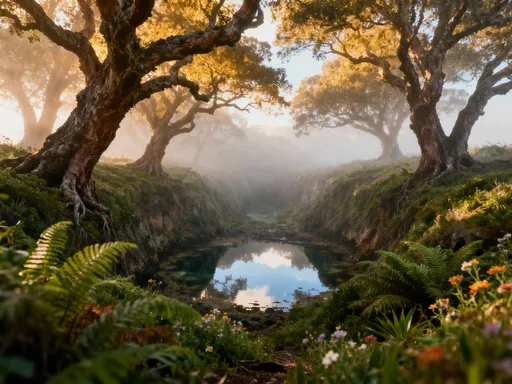
Nestled in the central highlands just a short drive from the city, Welchman Hall Gully is a tropical paradise disguised as a simple nature trail. This 500-year-old valley was once a private plantation estate, but time and careful tending have transformed it into a thriving ecosystem. Towering mahogany, gumbo limbo, and fig trees form a dense canopy, their roots gripping the red earth like ancient sentinels. Orchids cling to bark, ferns unfurl in shaded corners, and streams trickle down mossy stones, feeding into small pools where dragonflies hover.
What makes Welchman Hall Gully extraordinary is its accessibility and tranquility. Despite being only 15 minutes from bustling Holetown, it rarely feels crowded. An affordable entrance fee supports maintenance and conservation, ensuring the path remains clear and the environment protected. As you descend into the gully, the temperature drops noticeably—a natural air conditioning provided by decades of undisturbed growth. The humidity wraps around you like a soft blanket, carrying the scent of damp earth and blooming ginger.
Birdwatchers and nature lovers will delight in the soundscape: the sharp cry of the Carib grackle, the soft coo of the bridled quail-dove, and the occasional chattering of green monkeys swinging through the treetops. These primates, introduced centuries ago, have become part of the island’s ecological fabric. While they’re wild, they’re generally shy—best observed quietly from the path. The trail loops through the valley and back, making it ideal for families, solo walkers, or anyone seeking a peaceful immersion in nature without needing advanced hiking skills.
Tide Pools at Rockley Beach—Wait, That’s Not the Real Gem
Most guidebooks point visitors to Rockley Beach, now known as Brighton Beach, for its calm waters and pink sands. It’s a pleasant spot, but the true marvel lies further south, near the village of Silver Rock. Here, along a stretch of rugged coastline, lies a network of natural tide pools carved into the coral rock by centuries of tidal motion. These pools, revealed only at low tide, are miniature worlds teeming with marine life—hermit crabs scuttle between crevices, sea anemones pulse gently in shallow basins, and small fish dart through clear water chambers.
Exploring these pools requires timing and caution. Low tide is the golden window—typically two hours before and after the official mark. Wearing sturdy water shoes is essential; the rocks can be sharp and slippery. While the waves are generally mild, sudden surges can splash unexpectedly, so staying alert is part of the experience. This isn’t a place for reckless jumping or loud disturbances; it’s for quiet observation, for crouching low and watching a tiny crab emerge from its hiding place.
One morning, I watched a young girl, no older than eight, gently lift a flat stone and gasp as a cluster of baby sea urchins scattered. Her grandmother smiled and whispered, “They live here long before us, and they’ll stay after.” That moment captured the spirit of the place—a sense of humility and wonder. These pools aren’t just geological formations; they’re living classrooms, teaching respect for the delicate balance of coastal ecosystems. Unlike commercial snorkel tours, this experience costs nothing and demands only mindfulness.
The South Coast’s Hidden Hiking Trail
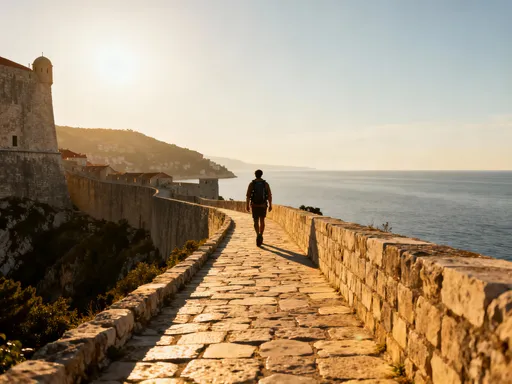
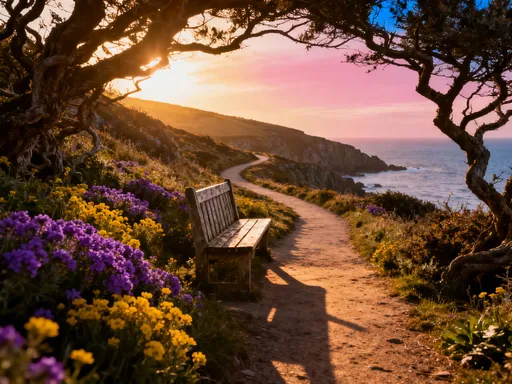
Between the towns of Hastings and Oistins, a little-known footpath traces the southern coastline, offering one of Barbados’ most authentic walking experiences. This trail, used primarily by locals, follows the cliff edge where the land meets the sea in dramatic fashion. The path is unpaved and unmarked in places, but clearly worn by regular use. It’s not designed for speed—it’s meant for slowing down, for noticing the way sunlight dances on wave crests, or how sea oats bend in the wind like dancers.
Native vegetation thrives here: morning glory spills over rocks in bursts of purple, sea lavender clings to crevices, and coconut palms lean at improbable angles, shaped by decades of trade winds. The air is rich with salt and the faint sweetness of blooming frangipani. Along the way, you might pass fishermen mending nets on wooden stands, their hands moving with practiced ease. Children play pickney cricket on flat rocks, using a broomstick and a tennis ball, their laughter carried away by the breeze.
The trail connects small coastal communities, offering glimpses into daily island life far removed from tourist hubs. It’s best walked in the early morning, when the heat is gentle and the light is soft, or in the late afternoon as the sun dips toward the horizon. Bring water, wear a hat, and move at a leisurely pace. There are no cafes or restrooms along the route—just nature and the occasional wave salute from a passing boat. This is slow travel in its purest form: unscripted, unhurried, and deeply human.
Why These Spots Stay Hidden (And Should They?)
It’s natural to wonder why such beautiful places remain off the radar. The reasons are both practical and cultural. Many of these locations lack formal signage or online visibility. They’re not promoted on mainstream travel sites, not because they’re unsafe, but because there’s a quiet consensus among locals to protect their peace. Over-tourism has altered other Caribbean destinations, turning pristine beaches into congested zones. Barbadians, proud of their island’s charm, are cautious about repeating that pattern.
There’s also a deep-rooted respect for privacy and place. Some areas border private property or family-owned land, and access is granted through informal understanding, not public entitlement. This isn’t exclusion—it’s preservation. The absence of loud advertisements or commercial development allows these spaces to remain as they are: natural, serene, and spiritually grounding.
Yet there’s a growing conversation about balance. Should more people know about these wonders? The answer lies in responsible sharing. Beauty meant to be hidden forever may go unappreciated; beauty exploited can be lost. The middle path is one of mindful discovery—visiting with respect, leaving no trace, and honoring local customs. It means choosing not to post geotags that invite reckless exploration, and understanding that some places are special because they’re not for everyone.
How to Visit Without Spoiling: A Responsible Traveler’s Mindset
Exploring Barbados’ hidden natural wonders is a privilege, not a right. To ensure these places remain intact for future generations, a responsible mindset is essential. Start with simple choices: wear reef-safe sunscreen to protect marine life, bring a reusable water bottle to reduce plastic waste, and carry out everything you bring in. These small acts have lasting impact.
Support local economies by stopping at roadside fruit stands or family-run eateries after your hike. A cold coconut or a plate of fresh mango can be as memorable as the scenery. When possible, use public transportation or rent a bicycle—Barbados has an expanding network of bus routes and bike-friendly paths that reduce carbon footprint and offer richer interactions with communities.
Most importantly, practice slow travel. Don’t rush from one spot to the next. Sit on a rock and listen. Watch how the light changes over the water. Let the island speak to you. This isn’t about collecting photos for social media; it’s about cultivating presence. When you move quietly, you notice more—the flutter of a butterfly, the pattern of waves on stone, the way a fisherman hums as he works.
And always remember: you are a guest. Stay on marked paths, avoid disturbing wildlife, and never remove natural objects like shells or plants. These places thrive because they’ve been left alone. Your role is not to change them, but to witness them with gratitude.
The true soul of Barbados isn’t just in its resorts or rum punches—it’s in the whisper of the wind through ancient trees, the crunch of coral underfoot, and the quiet joy of discovering a place few have seen. These natural wonders near Bridgetown remind us that beauty thrives in stillness and secrecy. Let’s keep exploring, but let’s do it with care, curiosity, and deep respect. The island gives generously—our job is to honor that gift.